As a supplier of Horizontal Band Saw Machines, I understand the critical role that motor performance plays in the overall functionality and efficiency of these machines. A well – performing motor ensures smooth cutting operations, reduces downtime, and extends the lifespan of the band saw. In this blog, I’ll share some key methods to check the motor performance of a Horizontal Band Saw Machine. Horizontal Band Saw Machine

1. Visual Inspection
The first step in assessing motor performance is a thorough visual inspection. Start by examining the exterior of the motor. Look for any signs of physical damage, such as cracks in the motor housing, loose wires, or frayed insulation. A damaged housing can expose the internal components to dust, moisture, and other contaminants, which can lead to motor failure over time.
Check the cooling fins on the motor. These fins are designed to dissipate heat generated during operation. If they are clogged with dust or debris, the motor may overheat, reducing its efficiency and potentially causing damage. Use a soft brush or compressed air to clean the cooling fins gently.
Inspect the motor’s connection to the band saw machine. Ensure that all bolts and fasteners are tight and that the motor is securely mounted. Loose connections can cause vibrations, which not only affect the cutting accuracy but also put additional stress on the motor.
2. Measuring Electrical Parameters
Measuring electrical parameters is an essential part of evaluating motor performance. You’ll need a multimeter to measure the voltage, current, and resistance of the motor.
- Voltage: Check the input voltage to the motor. The motor is designed to operate within a specific voltage range. If the voltage is too high or too low, it can cause the motor to run inefficiently or even damage it. Measure the voltage at the motor terminals while the machine is running. Compare the measured voltage with the motor’s rated voltage. A significant deviation from the rated voltage may indicate a problem with the power supply or the electrical system of the band saw.
- Current: Measure the current drawn by the motor. The current consumption of the motor can provide valuable information about its load and efficiency. When the motor is under normal operating conditions, the current should be within the rated range specified by the manufacturer. An abnormally high current may indicate a problem such as a mechanical overload, a short – circuit in the motor windings, or a problem with the drive system.
- Resistance: Measure the resistance of the motor windings. A significant change in the resistance of the windings can indicate a problem such as a broken wire or a short – circuit. Use the multimeter to measure the resistance between the motor terminals. Compare the measured resistance with the values provided in the motor’s technical documentation.
3. Checking Motor Speed
The speed of the motor is crucial for the proper operation of the Horizontal Band Saw Machine. Incorrect motor speed can result in poor cutting quality, excessive wear on the saw blade, and reduced efficiency.
- Using a Tachometer: A tachometer is a device used to measure the rotational speed of the motor. You can attach the tachometer to the motor shaft or use a non – contact tachometer to measure the speed from a distance. Compare the measured speed with the motor’s rated speed. If the speed is significantly different from the rated speed, it may be due to a problem with the motor’s drive system, such as a worn belt or a faulty speed controller.
- Observing Cutting Performance: You can also assess the motor speed by observing the cutting performance of the band saw. If the saw blade is cutting too slowly or too quickly, it may be an indication of an incorrect motor speed. A slow – cutting blade may be due to a low motor speed, while a fast – cutting blade may cause excessive wear on the blade and may not provide a clean cut.
4. Monitoring Motor Temperature
Monitoring the motor temperature is an important aspect of checking motor performance. Overheating is one of the most common causes of motor failure.
- Using a Thermometer: You can use an infrared thermometer to measure the surface temperature of the motor. The motor should operate within a specific temperature range. If the temperature exceeds the recommended limit, it can cause damage to the motor windings and other components. Check the motor temperature during normal operation and after a period of continuous use. If the motor is overheating, it may be due to a problem such as a clogged cooling system, a mechanical overload, or a problem with the electrical system.
- Thermal Protection Devices: Many motors are equipped with thermal protection devices, such as thermal switches or fuses. These devices are designed to shut off the motor if the temperature exceeds a certain limit. Check if the thermal protection device has tripped. If it has, you need to identify and fix the cause of the overheating before resetting the device.
5. Analyzing Motor Noise and Vibration
Unusual noise and vibration can be signs of motor problems.
- Noise: Listen for any abnormal noises coming from the motor. A loud, grinding noise may indicate a problem with the bearings. A high – pitched whine may be due to a problem with the motor’s electrical system. If you hear any unusual noises, it’s important to stop the machine and investigate the cause.
- Vibration: Excessive vibration can also indicate a problem with the motor. Use a vibration meter to measure the vibration levels of the motor. High vibration levels can be caused by a misaligned motor, a worn bearing, or a problem with the drive system. If the vibration levels are outside the normal range, you need to take corrective action to reduce the vibration.
6. Conducting Load Tests
Load tests can provide valuable information about the motor’s performance under different operating conditions.
- No – Load Test: A no – load test is conducted when the band saw is running without a workpiece. This test can help you determine the motor’s idle power consumption and its ability to start and run smoothly without a load. Measure the voltage, current, and speed of the motor during the no – load test. Compare the results with the motor’s specifications.
- Full – Load Test: A full – load test is conducted when the band saw is cutting a workpiece at its maximum capacity. This test can help you evaluate the motor’s performance under heavy load conditions. Monitor the motor’s temperature, current consumption, and cutting performance during the full – load test. If the motor overheats or the current consumption is too high, it may indicate a problem with the motor or the cutting process.
Conclusion
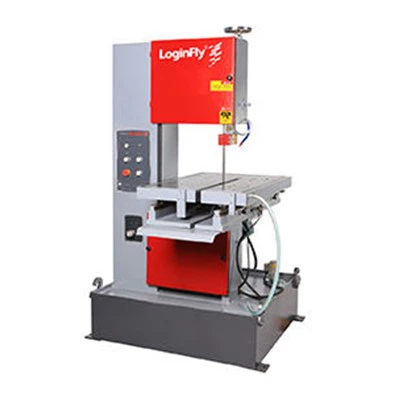
Checking the motor performance of a Horizontal Band Saw Machine is a comprehensive process that involves visual inspection, measuring electrical parameters, checking motor speed, monitoring temperature, analyzing noise and vibration, and conducting load tests. By regularly checking the motor performance, you can identify and address potential problems before they lead to motor failure, ensuring the smooth and efficient operation of your band saw machine.
Angle Cutting Machine If you are in the market for a high – quality Horizontal Band Saw Machine or need more information about motor performance and maintenance, I invite you to contact me for a detailed discussion. We can explore how our machines can meet your specific requirements and provide you with the best solutions for your cutting needs.
References
- Motor Manufacturer’s Technical Documentation
- Industrial Electrical Maintenance Handbooks
- Band Saw Machine Operation Manuals
Shanghai Loginfly Sawing Technology Co.,Ltd
We’re well-known as one of the leading horizontal band saw machine manufacturers and suppliers in China. If you’re going to wholesale high quality horizontal band saw machine at competitive price, welcome to get more information from our factory.
Address: Room 506 NO.655 Yinxiang Road,Nanxiangtown,Jiading District, Shanghai.China
E-mail: sales01@loginfly.com
WebSite: https://www.loginflysaw.com/
