Hey everyone, it’s [Shredded Paper Supplier Name] here, and today we’re diving into a question we get all the time from customers, office managers, and even random people DMing us: “Can I shred carbon paper?” Let’s cut to the chase, no fancy jargon here—this is stuff we’ve dealt with first-hand, because we’re the ones taking that shredded paper off your hands, right? First off, let’s remember what carbon paper actually is. It’s that thin, waxy paper with a graphite (or carbon-based) coating, used for decades to make copies without a printer. You know, the stuff that would smudge all over your fingers if you folded it wrong? Shredded Paper
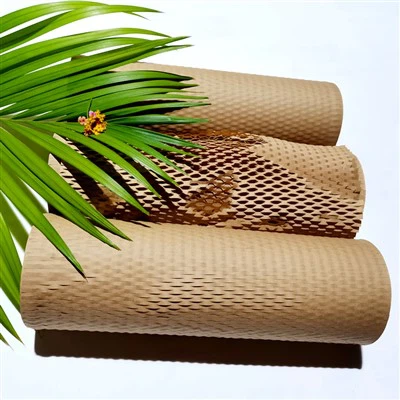
So why is this even a question? A lot of folks think “if it’s paper, it’s fine to shred.” But here’s the thing—carbon paper isn’t regular paper. It’s got that waxy coating and tiny carbon particles, which mess with both your home shredder (or even your office one) and the whole shredded paper recycling process. We’ve seen it first-hand: one client’s office tried shredding a stack of old carbon copy forms, and their industrial shredger broke down in 20 minutes. The wax gunked up the blades, and the carbon particles clogged the filters. That cost them hundreds in repairs, not to mention the downtime.
Let’s break this down scientifically, but keep it simple. Regular office paper is made of cellulose fibers—those are the long, stringy bits that break down easily when you shred them, and they’re perfect for recycling. Carbon paper? Its coating is a thermoplastic wax, which means it doesn’t break down the same way. When you shred it, the wax melts a little from the friction of the shredder blades, turning into a sticky sludge that coats the shredder internals. Add the carbon particles, which are super fine and don’t mix well with cellulose, and you’ve got a recipe for a clogged, broken shredder.
Now, what about the other end? When you send shredded paper to recycling facilities, they have big machines that sort paper by fiber type. Carbon paper’s wax coating and carbon particles can contaminate entire batches of regular paper. The recycling process uses water to break down paper fibers, and that wax doesn’t dissolve—it floats in the water, messing up the treatment systems at the recycling plant. Plus, those tiny carbon bits can leave dark stains on the recycled paper, making it less valuable. We’ve had recycling partners reject loads that even had a small amount of carbon paper mixed in—one time, a client sent 500 pounds of shredded paper with just 10 pounds of carbon copies, and the whole load was turned away. That meant our client had to pay for disposal instead of recycling, which is way more expensive.
Wait, but hold on—are there any exceptions? Let’s say you’re shredding a very small amount of carbon paper, like a single sheet, for personal use at home. Your home shredder (the small one for letters) might handle it once, but we still don’t recommend it. Even one sheet can leave residue that builds up over time, making your shredder less efficient. But if you’re a business, or you’re shredding more than a few sheets, no way—save yourself the hassle.
So what should you do instead if you have carbon paper to get rid of? First, check if your local waste management has a special drop-off for non-recyclable paper with coatings. But if you’re a business generating a lot of carbon paper, like a small company that used manual forms back in the day, or a warehouse that still uses carbon copies for shipments, you have two options. One: separate the carbon paper from your regular shredded paper, and dispose of it as general waste. Two, and better for your bottom line and the planet: if you don’t have that many, let us come pick up your regular shredded paper, and you can take the carbon paper to your local landfill drop-off.
Here’s a pro tip we’ve learned from years in the shredded paper game: if you’re not sure if something is okay to shred, do the “smudge test.” Rub a corner between your fingers. If it leaves black or gray residue (that’s carbon), or feels waxy or slippery, it’s not regular paper. Keep it out of your regular shredded paper stream.
We’ve built our business on making shredded paper easy and hassle-free. We know that office managers have a million things on their plate, so we’ve made our process simple: you schedule a pickup, we come take the full bins of regular shredded paper, and we handle all the recycling (or composting, if that’s what you’re into). No more worrying about contaminating batches, no more shredder repairs, no more extra disposal fees.
A lot of people ask us, “But why can’t you just shred it separately?” Well, we could, but carbon paper is so low-value that even processing it would cost more than we’d make. Plus, the recycling facilities won’t take it, so it would just end up in a landfill anyway. That’s not good for anyone—us, you, or the environment. It’s way better to separate it out and dispose of it properly as non-recyclable waste.
Wait, let’s clear up another myth: some folks think that because carbon paper has carbon in it, it’s good for something else, like packing material (we sell shredded paper as packing material, by the way). But that’s a huge no! That smudge on your fingers? That carbon will get all over your products, your boxes, whatever you’re packing. If you’re using shredded paper to ship fragile items, you want clean, regular cellulose-based paper—not carbon paper. Imagine sending a customer a package, and when they open it, their new laptop is covered in black carbon smudges. That’s a quick way to lose a customer.
We’ve heard so many horror stories over the years: a small e-commerce store that used “scrap” carbon paper as packing material and got 12 negative reviews in one week. A law firm that tried shredding old carbon forms and had their shredder break right before a big case, causing a huge backup. That’s why we always tell our clients: when in doubt, don’t shred carbon paper.
So to wrap this up, the answer to “Can I shred carbon paper?” is: technically, you can try, but you shouldn’t. It’ll mess up your shredder, contaminate your recycling, and cost you time and money. Stick to regular office paper, junk mail, receipts (wait, actually, some receipts have thermal coatings too—same rule applies, check for residue!), and other clean paper products for your regular shredded paper stream.
If you’re generating a lot of shredded paper and need a reliable pickup service, we’re here. We handle all the logistics, from bin delivery to recycling, so you don’t have to worry about a thing. No broken shredders, no rejected recycling loads, no extra fees. Just clean, hassle-free shredded paper management.
Ready to stop dealing with carbon paper headaches and simplify your shredded paper process? Reach out to us to chat about your needs. We can customize a plan that works for your business, whether you’re a tiny office or a large warehouse. Let’s make this easy—no smudges, no clogs, no stress.
Food Wrapping Paper References:
- American Forest & Paper Association. (2022). "Recyclability of Coated Paper Products." AFPA Technical Bulletin.
- International shredding Equipment Manufacturers Association. (2021). "Common Shredder Failures and Causes." ISIEMA Maintenance Report.
- Environmental Protection Agency. (2020). "Best Practices for Paper Recycling and Contamination Prevention." EPA Solid Waste Guidelines.
- Local Association of Recycling Facilities. (2023). "Contaminant Thresholds for Mixed Paper Bales." Regional Recycling Standards.
Dongguan Xianghe Paper Co., Ltd.
Dongguan Xianghe Paper Co., Ltd. is one of the most experienced shredded paper manufacturers and suppliers in China, also supports customized service with low price. We warmly welcome you to wholesale bulk cheap shredded paper from our factory.
Address: No. 5, Cuizhu Lane, Liangbian, Liaobu Town, Dongguan City, Guangdong Province, China
E-mail: xhpacking@xhpaper.cn
WebSite: https://www.xhpacking.com/
