If you’re shopping around for an operating table, the first thing you’ll notice is how many options there are. I’ve been supplying operating tables for clinics and hospitals of all sizes for over a decade now, and the biggest question I get from new clients is: why go with a hydraulic one instead of a manual or electric model? It’s not just a matter of preference—there are real, day-to-day advantages that make hydraulic operating tables a game-changer for OR teams, patients, and even your bottom line. Let me break this down like I would with a colleague picking their next piece of gear. Operating Table
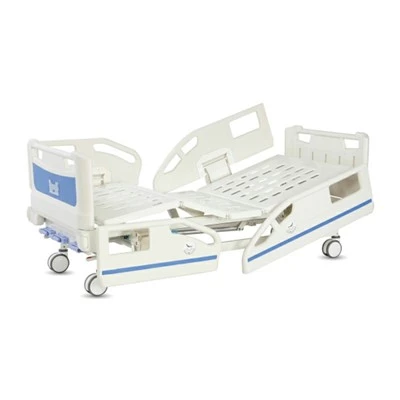
First off, let’s cut through the jargon. A hydraulic operating table uses fluid (usually oil, sealed tight inside cylinders) to adjust height, tilt, and other positions instead of hand cranks or separate electric motors. I’ve had nurses tell me they used to show up to their first shift at a small clinic and spend 10 minutes cranking a manual table up and down before even prepping a patient. That’s not just frustrating—it’s a waste of time when every second counts during a surgery. With a hydraulic table, you just flip a switch or hold a pedal, and it glides smoothly to exactly the height you need. No more straining your back, no more fumbling with broken cranks mid-procedure. I had a client in a rural clinic last year swap out their old manual table for one of our hydraulic models, and their OR manager texted me a week later saying they’d cut prep time for each surgery by almost 20%. That adds up—over a month, that’s hours of extra time they can spend on patient care instead of adjusting the table.
Wait, I know what some of you are thinking: electric tables also adjust quickly, right? Yeah, but here’s the thing about electric: if the power goes out, you’re stuck. I’ve heard horror stories from OR teams where a storm knocked out electricity, and they had to manually move a patient mid-surgery because their electric table wouldn’t budge. Hydraulic tables run on fluid pressure, not plug-in power (though most do have a backup battery for modern models). So even if the lights go out, you can still adjust the table. That’s a huge safety net, especially for areas with spotty power or clinics that don’t have a dedicated backup generator for their OR. I’ve seen two tables from other brands in storage rooms now because their old electric ones died during a procedure, and the hospital couldn’t risk the same thing happening again. Hydraulic models don’t have that flaw.
Another big plus is precision. When you’re placing a patient for a procedure, like a spinal fusion or a c-section, even a half-inch off position can throw off the surgeon. Manual tables have those big, clunky cranks that jump in increments—you might turn a crank three times and get an adjustment that’s way more than you needed. Electric tables can be too jerky sometimes, or they have a delay when you hit the switch. Hydraulic tables move smoothly, in tiny, controlled increments. I had a orthopedic surgeon tell me last year that switching to our hydraulic table made a difference in how well he could line up a patient’s hip during a replacement surgery. “I don’t have to guess anymore,” he said. “I can tweak the table a millimeter at a time, and that’s exactly what I need.” That kind of precision doesn’t just make the surgery go better—it also cuts down on complications, which is a win for both patients and your facility’s stats.
Let’s talk about durability, too. I’ve been in this industry long enough to see cheap tables fall apart within two years. Manual tables have those gears and cranks that wear out fast, especially if your team uses the table 10 times a day. Electric motors can burn out if you run them nonstop for a long surgery, or if there’s a power surge. Hydraulic tables, though, have fewer moving parts that can break. The sealed cylinders mean the fluid stays clean, no dirt or grime getting in to gum up the works. I have a customer who’s been using a hydraulic table I sold him 8 years ago, and he still hasn’t had to replace a single part on the adjustment system. He told me he’s gone through three manual tables and two electric ones in the same time—hydraulic just holds up. For a busy hospital that can’t afford downtime when a table breaks, that’s a massive advantage. You’re not spending money on repairs every six months, and you don’t have to scramble to get a replacement table when one goes out of commission.
What about patient comfort? Yeah, the table’s job is to help the medical team, but if a patient is uncomfortable or in pain during a procedure, that can make it harder for the surgeon to work. Hydraulic tables adjust slowly and smoothly, so you don’t jostle the patient when you move them. I’ve had patients tell me later that they didn’t even feel the table change position during their surgery. Compare that to a manual table, which clanks and jumps when you crank it, or an electric one that lurches a little. That small detail makes a difference in patient satisfaction scores, and let’s be real—happy patients are better for your clinic’s reputation, especially when word of mouth spreads.
I won’t sugarcoat it: hydraulic tables do cost a bit more upfront than basic manual models. But here’s the math most people don’t do: over the lifespan of the table, you save money on repairs, replacements, and lost time. Let’s say a small clinic does 20 surgeries a week. If each surgery takes 15 extra minutes to adjust a manual table, that’s 5 hours a week of wasted time—time your team could be using to see more patients, or prep for the next case. With a hydraulic table, that time is gone. Plus, if your old table breaks, you’re paying for a technician to come fix it, and that’s not cheap. I’ve had clients tell me a single repair for an electric table cost them $500, and that’s after they spent $1,000 more upfront for the electric model. Hydraulic might be a bigger check at first, but it pays for itself fast.
Now, I don’t want to make it sound like hydraulic tables are perfect for every situation. If you’re a tiny clinic that only does a handful of procedures a month, a manual table might be all you need. But for most places—hospitals, multi-specialty clinics, urgent care centers that do minor surgeries—hydraulic is the way to go. The safety, time savings, and durability just can’t be beat.
I’ve spent years talking to OR managers, surgeons, and nurses, and every single one that’s switched to a hydraulic table has told me they won’t go back. They’re tired of the back strain from cranking manual tables, the panic when the power goes out, and the constant repairs on cheap electric models. That’s why I only stock hydraulic tables now—when my customers ask me what’s best, I can show them the real, on-the-ground benefits, not just a sales pitch.

If you’re ready to upgrade your OR tables or just want to see what a hydraulic model can do for your team, hit me up to set up a time to chat. I can answer all your questions, walk you through different models, and even send over a case study from a clinic just like yours that made the switch. No sales pressure, just straight talk about what works for busy medical teams.
Medical Mattress References
- American College of Surgeons. (2022). OR Equipment Optimization: A Guide for Small to Mid-Size Healthcare Facilities.
- Journal of Clinical Engineering. (2021). Comparative Analysis of Operating Table Adjustment Systems: Safety, Efficiency, and Long-Term Cost.
- Occupational Safety and Health Administration (OSHA). (2020). Ergonomics for Healthcare Workers: Reducing Back Strain from Medical Equipment.
- National Healthcare Supply Association. (2023). Durability and Lifecycle Cost Assessment of Surgical Operating Tables.
Eusokon Technology ( Shanghai ) Co., Ltd.
As one of the most professional operating table manufacturers and suppliers in China, we offer a wide range of products with superior quality. Please feel free to wholesale advanced operating table in stock here from our factory.
Address: No.2 building lane 89,Huguang east road Minhang area Shanghai China
E-mail: dorisyang@eusokon.com
WebSite: https://www.eusokon.com/
