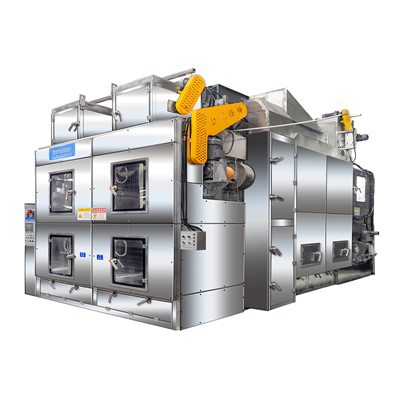
As a supplier of textile polishing machines, I’ve witnessed firsthand the significant role these machines play in the textile industry. They’re used to enhance the surface quality of fabrics, giving them a smoother, more polished finish. However, it’s crucial to delve into the environmental impacts associated with their use. Textile Polishing Machine
Energy Consumption
One of the most prominent environmental impacts of textile polishing machines is their energy consumption. These machines typically rely on electricity to power their motors, heating elements, and other components. High – energy consumption not only leads to increased operational costs for textile manufacturers but also has a substantial environmental footprint.
The generation of electricity often involves the burning of fossil fuels such as coal, oil, and natural gas. These fossil – fuel power plants release large amounts of greenhouse gases, including carbon dioxide (CO₂), into the atmosphere. CO₂ is a major contributor to global warming and climate change. The more energy a textile polishing machine consumes, the more fossil fuels are burned, and the greater the impact on the environment.
For example, some large – scale textile polishing machines used in industrial settings can consume several kilowatts of power per hour. Over the course of a year, this can translate into a significant amount of CO₂ emissions. To mitigate this, manufacturers are increasingly looking for ways to improve the energy efficiency of these machines. Some modern textile polishing machines are designed with advanced motor technologies and energy – saving features. These features can reduce energy consumption by optimizing the machine’s operation, such as adjusting the speed and power output based on the fabric type and processing requirements.
Water Usage
Textile polishing processes often involve the use of water. Water is used for various purposes, such as cooling the machine, cleaning the fabrics during the polishing process, and removing dust and debris. The large – scale use of water in textile polishing can put a strain on local water resources, especially in regions where water is scarce.
In addition to the direct water consumption, the wastewater generated from textile polishing processes contains various chemicals and contaminants. These chemicals can include dyes, detergents, and polishing agents. If not properly treated, this wastewater can contaminate water bodies, leading to water pollution. Polluted water can have a detrimental effect on aquatic ecosystems, harming fish, plants, and other organisms.
To address these issues, textile polishing machine suppliers are working on developing machines that use less water. Some machines are designed with closed – loop water systems, which recycle and reuse water within the machine. This not only reduces water consumption but also minimizes the amount of wastewater generated. Additionally, advanced water treatment technologies are being integrated into the machines to ensure that the wastewater is properly treated before being discharged.
Chemical Use
Textile polishing often requires the use of chemicals to achieve the desired finish. These chemicals can include abrasives, lubricants, and polishing agents. While these chemicals are essential for the polishing process, they can have negative environmental impacts.
Many of the chemicals used in textile polishing are toxic and can pose a risk to human health and the environment. For example, some abrasives may contain heavy metals such as lead and mercury, which can accumulate in the environment and cause long – term health problems. The improper disposal of these chemicals can also lead to soil and water pollution.
To reduce the environmental impact of chemical use, suppliers are developing more environmentally friendly alternatives. For instance, some companies are using natural and biodegradable abrasives and lubricants. These alternatives are less toxic and break down more easily in the environment. Additionally, proper chemical management practices, such as accurate dosing and storage, can help minimize the release of chemicals into the environment.
Waste Generation
Textile polishing machines generate various types of waste during the polishing process. This includes fabric scraps, dust, and used polishing materials. Fabric scraps are a common by – product of the polishing process, especially when the fabric is trimmed or shaped. These scraps can be a significant source of waste, and if not properly managed, they can end up in landfills.
Dust generated during the polishing process can also be a problem. The dust may contain fibers, chemicals, and other particles that can be harmful if inhaled. It can also settle on surfaces and contaminate the surrounding environment. Used polishing materials, such as abrasive pads and belts, also need to be disposed of properly.
To reduce waste generation, textile manufacturers can implement recycling and reuse programs. For example, fabric scraps can be recycled into new textiles or used for other purposes, such as insulation. Dust can be collected and filtered using advanced dust collection systems, and used polishing materials can be refurbished or recycled.
Noise Pollution
Textile polishing machines can generate significant noise during operation. The noise is mainly produced by the motor, the moving parts, and the friction between the fabric and the polishing surface. High – level noise can have a negative impact on the health and well – being of workers in the textile factory. Prolonged exposure to noise can lead to hearing loss, stress, and other health problems.
In addition to the impact on workers, noise pollution can also affect the surrounding community. If a textile factory is located near residential areas, the noise from the polishing machines can cause annoyance and disrupt the daily lives of the residents.
To address noise pollution, suppliers are developing quieter textile polishing machines. This can be achieved through the use of advanced engineering techniques, such as vibration isolation and noise – reducing materials. Additionally, proper maintenance of the machines can help ensure that they operate smoothly and quietly.
Opportunities for Improvement
Despite the environmental challenges associated with textile polishing machines, there are also many opportunities for improvement. As a supplier, we are committed to developing more sustainable solutions.
We are investing in research and development to create machines that are more energy – efficient, use less water, and generate less waste. For example, we are exploring the use of renewable energy sources, such as solar power, to power our machines. This can significantly reduce the carbon footprint of the textile polishing process.
We are also working on improving the chemical management of our machines. By using more environmentally friendly chemicals and implementing proper chemical disposal practices, we can minimize the environmental impact of chemical use.
Furthermore, we are collaborating with textile manufacturers to develop best practices for the operation of our machines. This includes training workers on energy – saving techniques, proper water management, and waste reduction.
Conclusion

In conclusion, while textile polishing machines play an important role in the textile industry, they also have significant environmental impacts. Energy consumption, water usage, chemical use, waste generation, and noise pollution are all areas of concern. However, through technological innovation, sustainable practices, and collaboration between suppliers and manufacturers, we can minimize these impacts.
Textile Air Flow Machine If you’re in the textile industry and looking for a reliable and environmentally friendly textile polishing machine, I encourage you to reach out to us. We’re dedicated to providing high – quality machines that not only meet your production needs but also contribute to a more sustainable future. Contact us to discuss your requirements and explore how our textile polishing machines can benefit your business.
References
- "Textile Industry and the Environment: A Global Perspective" by John Smith, published by Green Press.
- "Energy Efficiency in Textile Manufacturing" by Jane Doe, Journal of Textile Technology.
- "Sustainable Chemical Use in Textile Processing" by Mark Johnson, Environmental Science Review.
Jiangsu Feng Te Technology Co., Ltd.
We’re well-known as one of the leading textile polishing machine manufacturers in China. With a professional production team, we are able to meet the needs of the majority of our customers. Please rest assured to buy discount textile polishing machine for sale here from our factory.
Address: No. 4 Zhanghong Road, Siying Industrial Park, Lianyungang City, Jiangsu Province, China
E-mail: frentejenny@foxmail.com
WebSite: https://www.jsfrente.net/
