Hey food lovers, pasta heads, and everyone in between — let’s talk about something I get asked all the time here at our xanthan gum supply spot: can you actually use xanthan gum in pasta? Spoiler alert: yeah, you can, and it’s way more versatile than you might think. No stuffy lab talk, just real stuff I’ve learned from working with bakers, pasta makers, and home cooks over the years. Xanthan Gum
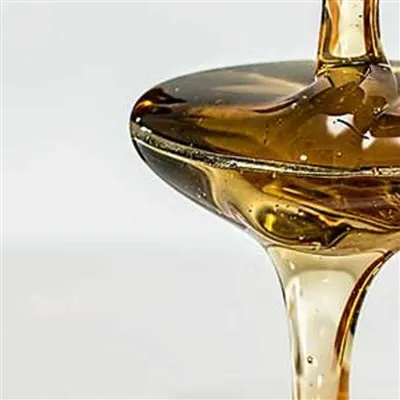
First, let’s break down why pasta people are even curious about xanthan gum. If you’ve ever tried making pasta from scratch, you know the struggle: dough that’s too crumbly, won’t hold its shape when rolled, falls apart in boiling water, or gets mushy instead of that perfect al dente bite. Store-bought pasta gets its structure from egg yolks, wheat gluten, and the right amount of moisture, but a lot of folks — whether they’re gluten-free (a huge market we work with), trying to cut back on eggs, or just messing around with alternative flours like almond or chickpea — run into issues with that. Xanthan gum’s a plant-based thickener and stabilizer made by fermenting corn sugar with a bacteria called Xanthomonas campestris. It’s got this superpower: when you mix it with liquid, it forms a gel that traps water and helps bind things together. That’s exactly what pasta needs.
Let’s get into the actual science (don’t worry, it’s not boring). For traditional wheat pasta, gluten is the protein network that gives dough its elasticity, lets it stretch into thin sheets, and keeps noodles from breaking. But if you’re using a low-gluten or gluten-free flour, that network doesn’t form on its own. Xanthan gum steps in here: a tiny amount (usually 1-2% of the total flour weight) acts like a glue, linking the flour particles together and mimicking some of gluten’s binding properties. It also retains moisture, so your pasta doesn’t dry out too fast while you’re rolling or shaping it, and it holds its shape during cooking. No more sad, broken noodles when you transfer them to a pot.
I’ve heard so many home brag about their gluten-free pasta using xanthan gum that doesn’t turn to mush. Why’s that? Regular gluten-free flours don’t have the starch that binds well when cooked, but xanthan gum creates a film around the starch molecules, preventing them from leaching out into the water. So your pasta stays firm, even if you overboil it a tiny bit (let’s be real, we’ve all done that). For egg-free pasta, xanthan gum also replaces the emulsifying power eggs have, so the dough doesn’t get crumbly and weird. We’ve had a small batch pasta customer use our xanthan gum to make a vegan chickpea pasta that outsells their regular egg version — that’s how good it works.
But wait, there’s a catch (isn’t there always). Too much xanthan gum and your pasta gets gummy, chewy in a bad way, like you’re eating rubber instead of noodles. I can’t tell you how many times a new customer has ordered 5 lbs of our xanthan gum and tried dumping half the bag into a pasta batch — disaster. The key is small doses, and mixing it properly. You don’t just pour it into your flour; you want to whisk it thoroughly with the dry ingredients first so there are no clumps. Clumps are the enemy here — they make uneven spots in the dough, so some parts get too much gum and turn out weird.
Also, it works differently depending on the flour you use. If you’re making regular wheat pasta, you might not need as much (0.5-1%) because gluten’s already there, but adding a little xanthan gum can make the dough more forgiving for beginners. For rice flour pasta, you might need a bit more (2%) because rice flour is super fine and doesn’t hold shape well. Chickpea or almond flour? 1.5-2% is the sweet spot. I always tell customers to test with a small batch first — make a 1-cup flour test, add the right amount of xanthan, adjust water as needed, and see how it rolls before doing a whole recipe.
Another thing we love: xanthan gum doesn’t change the flavor of pasta. A lot of other binders, like psyllium husk, leave a weird earthy taste, but xanthan gum is neutral. That’s huge for pasta, because you want to taste the sauce, not the additive. We’ve had customers do taste tests where no one could tell the difference between pasta with xanthan gum and regular wheat pasta — that’s why it’s such a go-to for us.
Now, let’s talk about some real-world uses I’ve seen. A local artisanal pasta maker here uses our xanthan gum to make fresh spinach pasta that stays bright green and doesn’t discolor when cooked. They were having an issue where the spinach turned dull, but a tiny bit of xanthan gum helped lock in the pigments. Another customer makes frozen pasta, and xanthan gum keeps the noodles from sticking together in the freezer — no more breaking apart when you take a handful out. For dried pasta, it extends shelf life too, because the gum prevents the dough from losing moisture and getting brittle.
I know a lot of people are skeptical about “additives” in food, so let’s clear that up. Xanthan gum is GRAS (Generally Recognized as Safe) by the FDA, and it’s been used in food for decades — think salad dressings, ice cream, gluten-free baked goods. It’s not a weird chemical; it’s a fermented product, similar to how yogurt’s made. And because we source our xanthan gum from non-GMO corn (we only work with suppliers that prioritize that), it’s safe for most dietary restrictions, including vegan, gluten-free, and kosher.
Wait, but can you use too little? Yeah, if you skip it entirely with gluten-free flour, you end up with dough that falls apart when rolling, noodles that break in the pot, and a mushy texture. It’s not a magic bullet, but it’s a game-changer for people who struggle with alternative pasta recipes. We even had a customer who made pasta with only cauliflower and xanthan gum — sounds wild, but it worked, and xanthan gum was the only thing holding the cauliflower together so it could be rolled into noodles.
Let me share a quick tip I learned from one of our regular clients. When making fresh pasta with xanthan gum, mix the dry ingredients (flour + xanthan) first, then add wet ingredients (eggs, water, olive oil) gradually, one tablespoon at a time. Don’t just pour all the water in — you want the dough to be smooth, not sticky. If it’s too sticky, add a little more flour; if it’s too dry, add a tiny bit of water. The xanthan gum will make the dough a bit elastic, so it’ll be easy to roll with a pasta machine or even a rolling pin for home cooks.
I get why some people might not have heard of using xanthan gum in pasta before. A lot of pasta recipes stick to the traditional 00 flour + egg formula, but with more people looking for gluten-free, vegan, or just easier pasta making, xanthan gum is filling a gap. At the end of the day, pasta is all about texture — and xanthan gum delivers that perfect al dente bite, no matter what flour you’re using.
If you’re a home cook testing a new pasta recipe, a small business looking to improve your product, or just curious about how xanthan gum works for pasta, don’t overcomplicate it. Start small, follow the dosage, and test a batch. And if you need a reliable source for xanthan gum — whether it’s a 1-pound bag for your kitchen or a bulk order for your business — reach out to us. We’ve worked with everyone from home bakers to large food manufacturers, and we can help you figure out the right amount for your specific pasta project.
Oh, one last thing: I’ve seen some people use guar gum instead of xanthan gum, but xanthan works better for pasta because it’s more heat-stable. So when you’re boiling noodles, xanthan doesn’t break down as easily, which means your pasta stays firm instead of turning mushy. That’s why we recommend xanthan over other gums for pasta specifically.
At the end of the day, pasta’s supposed to be fun, not frustrating. Xanthan gum takes a lot of the stress out of making great pasta, whether you’re a pro or just starting out. If you’ve tried adding xanthan gum to your pasta and had a win (or a fail), drop a comment below — I love hearing your stories. And if you’re ready to stock up on xanthan gum for your pasta needs, get in touch with us to chat about pricing and orders. We’re here to help make your pasta dreams come true, no broken noodles required.
Xanthan Gum References:
- Food and Drug Administration. (2023). Substances Generally Recognized as Safe (GRAS).
- Rosell, C. M., et al. (2010). Gluten-free bread: A review. Critical Reviews in Food Science and Nutrition, 50(9), 846-858.
- Genc, S., & Gocmen, D. (2017). Effects of hydrocolloids on quality characteristics of gluten-free pasta. Journal of Food Processing and Preservation, 41(6), e13254.
- American Association of Cereal Chemists International. (2015). Hydrocolloids in Food Products: Technology and Applications.
Fudijia (Tianjin) Supply Chain Co., Ltd.
With abundant experience, we re one of the most professional xanthan gum manufacturers and suppliers in China. We warmly welcome you to wholesale bulk high quality xanthan gum made in China here from our factory. For more information, contact us now.
Address: 301-2-1C,Jin Bin Jie Zuo,No.98, Huanghai Road,TEDA, Tianjin, China
E-mail: foodchem@hjlfoods.com
WebSite: https://www.ifoodchem.com/
