Hey there! I’m the guy running a YUTONG parts supply business. You know, YUTONG is a big name in the bus and vehicle industry, and over the years, we’ve seen a ton of old YUTONG parts coming our way. It’s not just about getting rid of them; recycling these parts is super important for both the environment and our wallets. So today, I’m gonna share some tips on how to recycle old YUTONG parts. YUTONG Parts
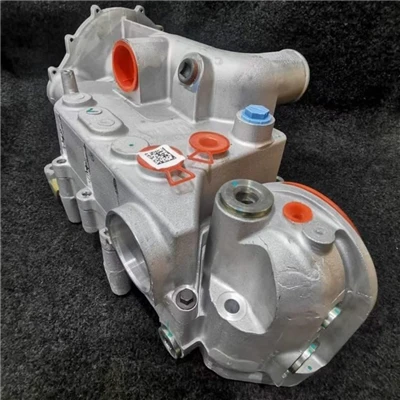
First off, why bother recycling? Well, it’s a no – brainer. Recycling helps cut down on waste. When we just throw away old parts, they end up in landfills, taking up space and potentially causing environmental problems. By recycling, we give these parts a second life. It also saves on resources. Making new parts from scratch takes a lot of energy and raw materials. Recycling uses less of both, which is good for the planet and for the cost of production.
Let’s start with the simple stuff, like identifying the parts. You don’t have to be a mechanic to figure this out. For example, if you’ve got a YUTONG engine block, it’s a hefty piece that can definitely be recycled. Engine blocks are usually made of cast iron or aluminum. These metals are highly recyclable. You can tell if it’s cast iron if it’s heavy and has a dull gray color. Aluminum is lighter and has a more silvery – white shine.
Once you’ve identified the metal parts, it’s time to clean them up a bit. I know it might seem like a hassle, but a bit of cleaning can go a long way. You can use a wire brush to get rid of any dirt, grease, or rust. If the rust is really bad, you can soak the part in a rust – remover solution. We’ve all got some old rags lying around; use them to wipe down the parts after cleaning. This makes the parts more appealing to recyclers as they don’t have to do as much work themselves.
Now, for electrical parts. YUTONG buses have all sorts of electrical components, like batteries, alternators, and starters. Batteries are a special case. They contain chemicals that can be harmful to the environment if not disposed of properly. You can’t just throw them in the trash. Instead, look for a local battery recycling center. Many auto parts stores also accept old batteries for recycling. They’ll take care of safely extracting the lead and acid and re – using what they can.
Alternators and starters have a lot of copper wiring in them. Copper is a valuable metal, so it’s worth salvaging. You can carefully remove the copper wiring from these parts. It might take a bit of time and some basic tools like pliers, but it’s worth it. Once you’ve got the copper, you can sell it to a metal recycler.
Another important group of parts is the rubber and plastic ones. YUTONG buses have rubber hoses, gaskets, and plastic body panels. Rubber hoses can sometimes be reused if they’re in good condition. You just have to check for any cracks or leaks. If they’re usable, you can sell them to people who are into fixing up YUTONG buses on a budget.
For plastic parts, it’s a bit more complicated. Some plastics are easier to recycle than others. Look for the recycling symbol on the plastic. It’ll have a number inside it. Plastics with numbers 1, 2, and 5 are the most commonly recycled ones. You can collect these parts and take them to a local plastic recycling facility.
Now, let’s talk about how to find the right recyclers. There are a few ways to go about this. The first is to do some local research. Check your local yellow pages or do a quick search online for metal recyclers, auto parts recyclers, and battery recycling centers in your area. Make some calls and ask them about their rates and what they accept.
Another option is to network with other YUTONG parts suppliers or bus owners. They might have some good recommendations for reliable recyclers. You can also join online forums or groups dedicated to YUTONG buses. There are always people sharing their experiences and tips on recycling parts.
Once you’ve found a recycler, it’s important to get the best deal. Don’t just settle for the first offer you get. Shop around and compare prices. Also, make sure you understand the terms of the deal. Some recyclers might charge for pickup, while others offer it for free.
One thing I’ve learned over the years is that building a relationship with your recycler can be really beneficial. If you’re a regular customer and you bring in a good amount of parts, they might be willing to give you better rates or offer you some perks.
Now, let’s say you’re not interested in doing the recycling yourself. That’s okay too. You can find a company that specializes in recycling YUTONG parts. These companies will come to you, pick up your old parts, and take care of everything. They’ve got the expertise and the equipment to handle all sorts of parts.
But if you do decide to recycle on your own, it can be a great side – business. You can make some extra cash by selling the recycled materials. Plus, you’re doing your part for the environment.
As a YUTONG parts supplier, I know that recycling is not just a trend; it’s the future. More and more bus owners are becoming environmentally conscious, and they’re looking for ways to make their operations more sustainable. By offering recycled parts, you can attract these customers.
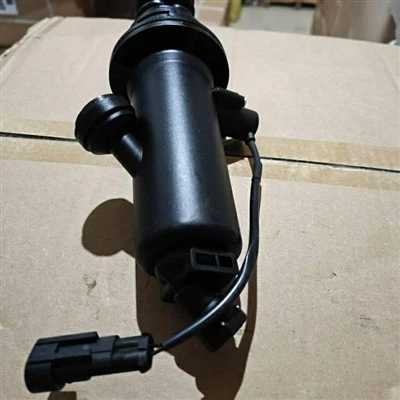
If you’re in the market for YUTONG parts, either new or recycled, we’d love to talk to you. Whether you’re a bus repair shop, a transit agency, or an individual bus owner, we’ve got the parts you need and the knowledge to help you choose the right ones. Just reach out to us to start a conversation about your needs.
YUTONG Parts References:
- General knowledge from years of experience in the YUTONG parts supply business.
- Industry – specific magazines and trade publications for YUTONG and auto – recycling information.
Jinan Hong’an Machinery Parts Co., Ltd.
As one of the most professional yutong parts manufacturers and suppliers in China, we offer a wide range of products with superior quality. With abundant experience, we warmly welcome you to buy high quality yutong parts for sale here from our factory. For price consultation, contact us.
Address: Quanli Heavy Truck Parts City, No. 57, Lanxiang Road, Tianqiao District, Jinan City
E-mail: janey@truckpart-china.com
WebSite: https://www.truckpart-china.com/
