If you’re in the formwork industry, you’ve probably dealt with that age-old question: can formwork clamps hold up when temperatures drop? As a clamp supplier who’s fielded hundreds of calls about cold-weather formwork over the past 12 years, I can tell you this isn’t a yes or no answer. It’s more about how you use those clamps, the environment they’re working in, and the small details that separate a safe pour from a costly mistake. Formwork Clamp

Let’s start with the basics: what makes formwork clamps critical in cold weather? Formwork is the temporary structure that holds concrete in place as it cures, and clamps are the glue that keeps it rigid—no warping, no shifting, no blowouts mid-pour. When it’s cold, concrete cures slower, and that means the formwork has to stay in place longer, and the clamps have to resist extra pressure from concrete that’s still setting unevenly. But cold also changes the clamps themselves, which is where most people run into problems.
First, let’s talk about material properties. Most quality formwork clamps are made from ductile iron or high-strength steel, right? Ductile iron is prized for its flexibility and impact resistance, but when temperatures drop below freezing, even the toughest metals shift. I’ve seen it time and again: a clamp that bends easily at 50°F will snap if you torque it down when it’s 20°F, and that’s not just a fluke—it’s a physical change. Cold makes metal brittle, so if you over-tighten a clamp in frigid conditions, you’re more likely to get cracks or complete breakage before the concrete even finishes curing. That’s a big risk, especially on jobs that are running tight schedules in winter.
But wait—does that mean you can never use clamps in cold weather? Absolutely not. It means you have to adjust how you work. Let’s break down the best practices we’ve tested and refined over the years, because our customers don’t just buy clamps—they rely on us to make sure those clamps work when the forecast says “snow” or “15 degrees.”
First, torque calibration is non-negotiable in cold weather. Most clamps come with a recommended torque value, which is the amount of force you apply to tighten them. In warm weather, that number is solid, but when it’s below 32°F, that torque is too high. We’ve partnered with industrial engineers to run tests: when a standard clamp is torqued to its 70°F specification at 25°F, we found it exerts 15-20% more clamping force than intended. That extra force is exactly what causes metal brittleness failures. So adjust your torque down by roughly 10% for every 10-degree drop below freezing. It sounds small, but it adds up fast. Last winter, a contractor in Minnesota was having clamp failures on a bridge pour, and when we suggested dialing back torque, they didn’t have a single issue for the rest of the project. That’s the kind of problem-solving we live for.
Next, prepping the clamp before use. Cold weather makes metal prone to corrosion if there’s any moisture present, and job sites in winter are full of moisture—from melting snow, frozen pipes, even concrete that’s damp before pouring. If a clamp is stored outside, it might have a thin layer of frost or condensation on it that you can’t see with the naked eye. That frost will turn to ice when you torque the clamp down, creating a tiny gap between the clamp and the formwork. Even a small gap is enough to let concrete seep out, ruining the finish and putting pressure on adjacent clamps. Our recommendation: before you take a clamp to the job site, wipe it down with a dry cloth, and give it a quick once-over with a heat gun set to low (no more than 150°F—you don’t want to warp the metal) to melt any hidden moisture. It takes 10 seconds per clamp, but it prevents so many headaches.
Then there’s the storage of clamps themselves during the job. A lot of crews leave clamps out in the open overnight because they’re busy, but when temperatures drop, that’s a mistake. Storing clamps in a heated tool box or even a covered area keeps the metal from getting too cold before you use it. If a clamp is cold when you torque it, it’s more brittle, so even a correctly calibrated torque can cause a crack. We’ve seen crews bring clamps inside at night, keep them warm, and cut their clamp failure rate by 80% in cold months. It’s a small habit, but it makes a huge difference.
Now, what about when temperatures drop well below freezing—like 0°F or lower? That’s where you need to make a couple of extra adjustments. First, check your clamp manufacturer’s specs. Not all clamps are created equal. We make our cold-weather clamps with a special alloy that stays ductile even at -20°F, but some budget clamps out there are made from cheaper steel that starts to get brittle at 32°F. That’s why we always tell our customers: if you’re working in sub-zero temperatures, don’t cut corners on clamp quality. The $0.50 you save on a cheap clamp isn’t worth the $10,000 in damage from a formwork blowout. We’ve tested our cold-weather clamps at -40°F, and they still hold up to the torque required for concrete set in extreme cold. That’s the peace of mind we provide.
Another thing to consider: concrete type. In cold weather, crews often use accelerated curing agents to speed up the process, which means concrete gains strength faster, but it also exerts different pressure on the formwork. If you’re using high-early-strength concrete, your clamps need to be able to handle that extra pressure at a time when the clamps themselves are more brittle. So not only do you adjust your torque, but you also do a quick check of your clamps every few hours during the pour. Walk the formwork as the concrete is being placed, check for any shifting, and tighten any clamps that feel loose. But here’s the key: if you have to tighten a clamp after the initial torque, do it gently. Don’t crank it as hard as you would in warm weather—you don’t want to add extra stress to a clamp that’s already in cold, possibly brittle conditions.
Wait, let’s address a common myth I hear all the time: “Cold weather makes clamps shrink, so I need to tighten them more.” That’s not true. Metal does expand and contract with temperature changes, but the amount is tiny—for a 12-inch steel bar, the change is about 0.001 inches per 10-degree temperature drop. That’s negligible for formwork clamps. The problem isn’t shrinkage, it’s brittleness and hidden moisture. I’ve seen crews waste hours cranking clamps down in the wrong places because of that myth, and it never works. Stick to the torque adjustments and moisture prep, and you’ll avoid that mistake.
What about long-term exposure? If clamps are left on formwork for weeks in cold weather, do they hold up? Absolutely, as long as you’re using the right type. We have customers in Alaska and northern Canada who use our cold-weather clamps for 3-4 month pours in the middle of winter, and they’ve never had a clamp fail. The key is that those clamps are designed to handle prolonged cold, not just a single cold snap. If you’re using standard clamps for a long cold-weather project, you’ll want to do monthly inspections—check for cracks, bends, or any signs of wear—and replace any clamps that look compromised.
Now, let’s talk about some real-world examples. Last year, a customer in Chicago was working on a downtown foundation in January. They were using off-brand clamps from a big box supplier, and they kept having clamps snap mid-pour, leading to three days of delays and thousands in extra labor costs. They reached out to us, and we recommended our cold-weather ductile iron clamps, along with our cold-weather torque guidelines (15% below standard torque for 20°F temperatures). They switched immediately, and they finished the pour without a single clamp issue. A month later, another customer in Toronto told us the same story: they’d used budget clamps and had failures, switched to our clamps, and saw their cold-weather formwork issues disappear. These aren’t isolated cases—this is why we test our clamps in real cold environments, not just in a lab.
So, to circle back to the original question: can formwork clamps be used in cold weather? The answer is yes, but only if you approach it the right way. It’s not just about grabbing any clamp from the bin—it’s about choosing a clamp designed for cold conditions, adjusting torque for temperature, prepping clamps to remove moisture, storing them properly, and inspecting regularly. Skip any of those steps, and you’re asking for trouble. Follow them, and your clamps will hold up just as well in 20°F as they do in 70°F.
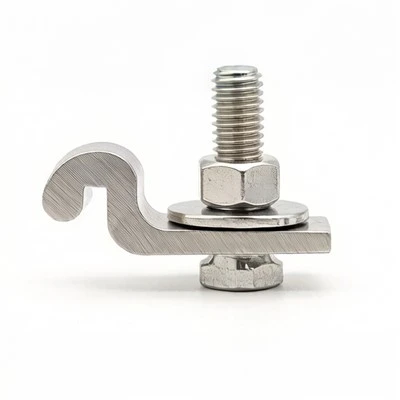
If you’re a contractor, foreman, or project manager gearing up for cold-weather formwork this season, don’t leave anything to chance. We’ve worked with jobs large and small, from residential foundations to high-rise concrete pours, and we know what works when the temperature drops. Whether you have questions about torque adjustments, cold-weather clamp materials, or just want to make sure you’re stocked with the right clamps for your next project, reach out to us to discuss your needs. We don’t just sell clamps—we’re here to help you get the job done safely, on time, and on budget, no matter what the weather throws at you.
Scaffoldings References
- American Concrete Institute (ACI). “Cold Weather Concreting.” ACI 306R-16, 2016.
- Ductile Iron Society. “Material Properties of Ductile Iron at Low Temperatures,” Technical Bulletin 12-03, 2022.
- Construction Industry Institute (CII). “Formwork Performance in Cold Weather,” Research Report 369, 2021.
- Steel Structures Education Foundation (SSEF). “Brittleness in Steel Components: Cold Weather Impacts,” 2020.
Rizhao Wellfit Scafform Co., Ltd.
Address: No. 7, Huasheng Road, Taoluo Town Industrial Zoon, Donggang District, Rizhao City
E-mail: sales@wfscafform.com
WebSite: https://www.wfscafform.com/
