Hey there, folks! I’m in the poultry equipment game, and today I wanna chat about how a manure removal system works. It’s a crucial part of poultry farming that often doesn’t get the spotlight it deserves, but trust me, it’s super important. Poultry Equipment

Why Do We Need a Manure Removal System?
Let’s start with why we even need this thing. In a poultry farm, chickens are constantly producing manure. If we don’t get rid of it properly, it can lead to all sorts of problems. Manure can release harmful gases like ammonia, which is bad for the chickens’ health. It can also attract pests and spread diseases. Moreover, a build – up of manure can create an unpleasant environment for the workers on the farm. So, a good manure removal system keeps the chickens healthy, the farm clean, and everyone happy.
Types of Manure Removal Systems
There are a few different types of manure removal systems out there, and I’ll go over the most common ones that we usually supply to poultry farmers.
Belt Conveyor Systems
One of the most popular types is the belt conveyor system. It’s quite simple in theory. There are these long belts installed under the chicken cages. As the chickens drop their manure, it lands on the belts. The belts are designed to move slowly. They transport the manure towards the end of the house, where it can be collected.
These systems are great because they can be automated. You can set the belts to move at a certain interval, so the manure doesn’t sit around for too long. For example, you can program the belts to move once every few hours depending on how many chickens you have and how much manure they’re producing.
The belts are made of a special material that’s durable and resistant to the corrosive effects of manure. They need to be, because they’re constantly in contact with this stuff. And they’re easy to clean too. You can just use a water hose or a cleaning solution to keep them in good condition.
Scraper Systems
Another type is the scraper system. In this setup, there are metal blades or scrapers that are attached to a chain or cable. The scrapers move along the floor of the poultry house. As they move, they scrape the manure towards a collection point.
Scraper systems are good for larger farms. They can cover a big area and remove a large amount of manure quickly. But they do require a bit more maintenance compared to belt conveyor systems. The scrapers need to be sharp and properly aligned so that they can do their job effectively. If the blades get dull or if the chain gets loose, the system won’t work as well.
Pneumatic Systems
Pneumatic systems are a bit more high – tech. They use air pressure to move the manure. There are pipes installed in the poultry house. When the system is turned on, a blast of air is sent through the pipes, which sucks up the manure and transports it to a storage area.
These systems are really efficient at removing manure. They can handle manure in different forms, whether it’s dry or wet. And they’re relatively clean because the manure is moved through closed pipes, so there’s less of a chance of it spilling and making a mess. However, they’re also more expensive to install and maintain. You need to have a good air compressor and the pipes need to be properly installed to prevent any leaks.
How They Work in Detail
Let’s dig a bit deeper into the operation of these systems.
Belt Conveyor Systems in Action
In a belt conveyor system, the first step is the installation. The belts need to be carefully placed under the chicken cages. We usually work with the farmers to measure the right length and width of the belts so that they fit perfectly in the poultry house.
Once the belts are in place, the chickens start doing their thing, and the manure lands on the belts. The control panel, which is usually located outside the poultry house, is programmed to set the speed and the interval of the belt movement. For example, if it’s a small farm with a few hundred chickens, the belts might move once every two hours. But for a large commercial farm with thousands of chickens, the belts might need to move every hour.
As the belts move, the manure is carried to the end of the house. At the end, there’s a collection bin or a chute where the manure drops into. From there, it can be further processed, like being composted or sold as fertilizer.
Scraper Systems in Operation
For scraper systems, the installation is a bit different. The chains or cables need to be properly tensioned, and the scrapers need to be attached at the right angle. The system is powered by an electric motor.
When the motor is turned on, the chains start moving, and so do the scrapers. They move back and forth across the floor of the poultry house. The scrapers push the manure towards a central trench or a collection pit.
Farmers need to regularly check the scrapers to make sure they’re still sharp. If the blades get dull, they won’t be able to scrape up all the manure, and some will be left behind. Also, the chains need to be lubricated to prevent them from wearing out too quickly.
Pneumatic Systems in Function
Pneumatic systems are a bit more complex. First, the pipes are installed in a network throughout the poultry house. There are intake ports near the manure areas and an outlet at the storage site.
When the system is activated, the air compressor starts working. It creates a high – pressure air flow in the pipes. The manure is sucked into the intake ports and then carried through the pipes by the air stream.
Farmers need to monitor the air pressure in the system. If the pressure is too low, the manure won’t move properly. If it’s too high, it could cause damage to the pipes. And they also need to clean the intake ports regularly to prevent clogs.
Benefits of Our Manure Removal Systems
As a poultry equipment supplier, we take pride in the manure removal systems we offer. Our systems are designed to be efficient, durable, and easy to use.
Efficiency is key. Our systems are able to remove manure quickly, which means less time for harmful gases to build up and fewer chances of diseases spreading. For example, our belt conveyor systems can transport manure at a consistent speed, and our pneumatic systems can move large amounts of manure in a short period.
Durability is another important factor. We use high – quality materials in our systems. The belts in our belt conveyor systems are made of a tough, corrosion – resistant material, and the scrapers in our scraper systems are made of strong metal. This means that our systems can last for a long time, saving farmers money on replacements.
And we make sure that our systems are easy to use. We provide clear instructions on how to install and operate the systems, and our customer service team is always available to answer any questions. Whether it’s programming the control panel of a belt conveyor system or troubleshooting a pneumatic system, we’re here to help.
Wrapping Up and How to Get in Touch
Well, there you have it, a rundown on how a manure removal system works. As you can see, it’s a vital part of poultry farming, and choosing the right system can make a big difference in the health of your chickens and the overall efficiency of your farm.
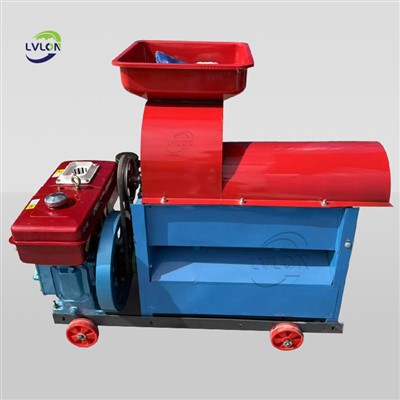
Crusher Machine If you’re in the market for a manure removal system or any other poultry equipment, don’t hesitate to reach out. We’re always happy to have a chat, answer your questions, and help you find the best solution for your farm. Whether you’re a small – scale farmer or running a large commercial operation, we’ve got the equipment and the expertise to meet your needs. So, drop us a line and let’s start a conversation about how we can make your poultry farming experience even better.
References
- "Poultry Production Systems: Manure Management" – A comprehensive guide on poultry farming and manure management.
- "Advances in Poultry Equipment Technology" – A research paper on the latest developments in poultry equipment, including manure removal systems.
- "Best Practices for Poultry Farm Sanitation" – A handbook that covers all aspects of keeping a poultry farm clean, including manure removal.
Henan Lvlon Industrial Co., Ltd.
Address: Unit 5, 5th Floor, Building 11, No. 18 Dongfeng Road, Jinshui District, Zhengzhou City, Henan Province.
E-mail: lvlonxu@gmail.com
WebSite: https://www.lvlonmachinery.com/
