If you’ve ever stood in a tortilla or taco shop kitchen, watching a line cook knead dough by hand with the kind of rhythm that feels almost meditative, you might’ve wondered: can that same workhorse dough mixer in the back actually handle taco dough? As a supplier of commercial dough mixers, I get this question all the time—from small taquería owners just scaling up, from bakery managers testing new menu items, and even from home bakers who’ve outgrown hand-kneading. The short answer is yes, it can, but the long answer is where you’ll keep dough consistent, avoid common mistakes, and make sure your taco dough tastes like the street-style or restaurant-style product your customers expect, not something flat or tough. Dough Mixer

Let’s start with what taco dough actually is. Wait, hold on—taco dough isn’t a single thing. Most of us picture corn tortillas, which are the foundation of soft tacos, hard taco shells, and flautas. But there’s also flour tortilla taco dough, used for burritos, fajitas, and many regional taco styles, plus specialty varieties like masa harina mixes for traditional corn tacos, or wheat dough for crispy taco shells. Each type has different texture requirements, and that’s where a dough mixer shines (or fails, if you use the wrong settings). Hand-kneading taco dough for corn, for example, usually involves working masa harina, water, salt, and sometimes a touch of lard or oil until it’s smooth, elastic, and holds a shape without cracking. Flour taco dough is a bit more complex: it needs gluten to develop just enough to hold fillings, but not so much that the tortilla becomes chewy instead of soft and pliable.
Now, how does a dough mixer translate that work from hands to machinery? Let’s break down the two main categories of commercial dough mixers you’ll encounter, because they’re not all the same: spiral mixers and vertical planetary mixers. I’ve seen too many people grab a planetary mixer meant for cake batter and throw taco dough into it, and that’s where problems start. Spiral mixers are the heavy-duty workhorses for bread and dough products—they have a spiral-shaped hook that moves in a circular motion, pulling and folding dough gently but efficiently, mimicking the motion of hand kneading without overworking. Vertical planetary mixers, the ones with a flat beater, dough hook, or whisk attached to a spinning head, are more versatile for smaller batches and softer doughs, but they can overdevelop gluten if you run them too long, especially for flour-based taco dough.
Let’s test this with corn taco masa first, because that’s the most common taco dough people ask about. Traditional masa is made from nixtamalized corn, ground into a fine masa harina, but instant masa harina works for most small-scale operations. Hand-kneading masa usually takes 3 to 5 minutes: you squeeze a handful of dough, it holds a shape without cracking, and it’s moist but not sticky. Using a spiral mixer for masa is perfect here. The low-speed setting works the hook gently, hydrating the masa evenly without developing excess gluten (which would make corn tortillas tough instead of tender). I recommend starting with a 1:0.5 water-to-masa ratio, adjusting based on humidity—humidity changes how much water masa absorbs, so don’t just follow a recipe to the letter. Run the mixer on low speed for 2 to 3 minutes, then turn it off and scrape the bowl down once, then run on low for another 1 to 2 minutes. If you overmix, you’ll get a sticky, elastic masa that won’t roll out into tortillas without sticking to the press. That’s a mistake I see a lot of new operators make: they think more mixing equals better dough, but for taco masa, less is almost always more.
Now, flour-based taco dough, which is used for soft flour tacos and crispy taco shells. This is where gluten development is make-or-break. Flour dough needs enough gluten to hold its shape when filled, but too much makes the tortilla stretchy and tough, and the taco will fall apart when you bite into it. Spiral mixers handle this well if you adjust the speed and time. For a batch of 5 pounds of flour, use unbleached all-purpose flour (bread flour works too, but it’s higher in gluten, so cut mixing time by a minute), add salt, a touch of baking powder for fluff, lard or vegetable shortening for tenderness, and warm water. Run the mixer on low speed (the first speed setting, not the fast one) for 3 to 4 minutes. The dough should come together into a smooth ball that cleans the sides of the bowl, but if you run it longer than that, you’ll develop too much gluten. If you use a planetary mixer for small batches, stick to the low speed setting and limit mixing time to 5 minutes max—planetary mixers tend to be more intense, so they can overwork dough faster than spiral mixers. I’ve had a customer who runs a food truck test this: they used to hand-knead their flour taco dough, which took 10 minutes and varied in texture each day, switched to a small planetary mixer, and cut prep time in half while making their dough 30% more consistent.
Wait, but what about hard taco shells? Those are a different beast—they’re made with a stiffer dough, rolled thin, and fried until crisp. Can a dough mixer handle that? Absolutely. The key here is that hard shell dough needs less water, more gluten, and a firmer texture. Use bread flour instead of all-purpose, reduce water by 10% compared to soft flour dough, and mix on low speed for 4 to 5 minutes to develop a bit more gluten than soft taco dough. The spiral mixer’s firm pull works perfectly here, creating a dough that’s stiff enough to roll thin without tearing, and when fried, it stays crispy instead of chewy. I’ve had a chain of quick-service restaurants switch from hand-mixing hard shell dough to a set of medium-duty spiral mixers, and they reduced dough waste by 25% because there were no more unevenly kneaded doughs that would break during rolling.
Now, let’s talk about the common pitfalls that make people think dough mixers can’t work for taco dough. First, wrong mixer type. If you use a high-speed spiral mixer meant for bread dough (which is mixed to develop maximum gluten for loaves), that will overwork taco dough, making corn masa tough and flour dough too elastic. Second, incorrect speed and time. I see so many new operators run mixers on high speed the whole time, which generates too much heat—heat melts lard or shortening, makes dough sticky, and can destroy the masa’s structure for corn tacos. Third, not adjusting for environmental factors. Humidity is the big one: in dry climates, masa harina absorbs more water, so you’ll need to add a splash more. In humid climates, the air already has moisture, so cut back on water. A good mixer will help you standardize, but you still have to pay attention to the dough’s texture, not just the recipe.
Another point: batch size. Dough mixers work best when they’re 30 to 70% full. If you put a tiny batch of taco dough into a huge mixer, the hook will spin too fast, overworking the dough. If you overload the mixer, the dough won’t mix evenly, and you’ll have lumps of dry flour or underhydrated masa. For example, a 20-quart mixer is perfect for small taquerías doing 10 to 20 dozen tacos a day. A 60-quart mixer is better for larger operations doing 50+ dozen a day. I always tell customers to test a small batch first with their mixer: make a test batch of taco dough, knead it, and check the texture every minute. If it’s too sticky, add a little more flour or masa. If it’s too dry, add a splash of water. Once you find the right time and speed, you can repeat it every day, which is way more consistent than hand-kneading, where one day you knead 5 minutes, the next 10, based on how you feel.
Let’s also talk about quality and taste, because a lot of people worry that machine-mixed taco dough tastes different than hand-kneaded. I’ve run tests with customers time and time again, and when you use the right mixer settings, the taste is almost identical—sometimes better, because there’s no inconsistency. Hand-kneaded dough can have spots where flour wasn’t fully incorporated, or too much water in one area, which makes some tortillas taste bland or tough. A dough mixer ensures that every particle of masa or flour is evenly hydrated, so the taco flavor is uniform across every batch. The only time machine mixing changes the taste is if you overmix and develop too much gluten, which makes corn tortillas taste dense or flour tortillas chewy, or if you run the mixer too hot, which can make the dough taste greasy from melted shortening. But that’s all fixable with proper settings, not a problem with the mixer itself.
What about specialty taco doughs? If you’re making sweet potato masa for sweet tacos, or whole wheat flour dough for healthier taco options, a dough mixer works just as well. The key is adjusting the liquid: sweet potato masa will need less water, since the vegetable adds moisture. Whole wheat flour has more fiber, which can make dough tougher, so you’ll want to mix a little slower and a minute less than with white flour. I’ve had a small bakery that adds sweet potato tacos to their menu use a 10-quart planetary mixer, and they cut their prep time from 15 minutes per batch to 5, while keeping the same soft, sweet taste their customers love.
Now, let’s get practical: how to actually use a dough mixer for taco dough, step by step, so you don’t make the mistakes I see all the time. First, choose the right mixer: for corn masa or soft flour tacos, a spiral mixer is ideal, and for small batches (under 10 pounds), a heavy-duty planetary mixer works too. Second, prepare your ingredients: sift flour if using, measure masa harina and water by weight (not volume, this is way more accurate—volume measures can vary a lot, especially with masa harina that can be packed loosely or tightly). Third, load the mixer: add dry ingredients first, then wet ingredients, don’t throw everything in at once. Fourth, set the speed: use low speed for the entire mixing process, no high speed. Fifth, mix time: for corn masa, 2 to 4 minutes; for soft flour taco dough, 3 to 5 minutes; for hard taco shell dough, 4 to 6 minutes. Sixth, check the dough: when it’s done, it should be smooth, not sticky (for corn masa, it should hold a shape without cracking when you squeeze it; for flour dough, it should clean the sides of the bowl and not stick to your fingers when you touch it lightly). Seventh, let it rest: don’t use the dough right away—let it rest for 15 to 30 minutes, wrapped in plastic, so the gluten relaxes. This step is just as important as mixing, whether you do it by hand or with a mixer.
I’ve seen so many businesses grow because they switched to a dough mixer for taco dough. Take that food truck I mentioned earlier: before, they were only open 4 hours a day because hand-kneading took up so much time, and they could only make 50 tacos a day. After adding a small planetary mixer, they can make 200 tacos a day, keep their prices consistent, and their customers rave about the same texture every time. A small taquería in Texas used a 20-quart spiral mixer to scale from a 2-table spot to a 10-location chain, all because their taco dough was consistently good, no matter which location made it. The mixer wasn’t the only reason, but it was the backbone that let them standardize their product.
Of course, there are edge cases: if you’re making artisanal corn tortillas that require a slightly rough, hand-kneaded texture, a mixer might not give you exactly that, but for 99% of taco dough uses—from food trucks to restaurants to grocery store pre-made tortillas—a dough mixer is more than capable. The biggest myth I hear is that machine-mixed dough is inferior, but that’s only true if you use the wrong mixer or wrong settings. When used correctly, a dough mixer creates taco dough that’s more consistent, faster to make, and less wasteful than hand-kneading.
If you’re a shop owner wondering if a dough mixer is right for your taco dough, the first step is to test a small batch. Most mixer suppliers (like me, for example) offer test batches, so you can bring your own recipe, make dough by hand and with the mixer, and compare the texture and taste. If you find that the mixer works for your dough, you can invest in a unit that fits your batch size and needs.
For anyone ready to make the switch, let’s make it clear: you don’t need to overspend on a commercial mixer. There are entry-level spiral mixers for small operations, and compact planetary mixers for home bakers or very small food businesses. The key is to match the mixer to your daily volume: if you’re making 50 tacos a day, a 10-quart planetary mixer is enough; if you’re making 500, a 60-quart spiral mixer is better.
At the end of the day, taco dough is about balance—balance of ingredients, balance of texture, balance of time in the mixer. A dough mixer is just a tool, and like any tool, it works best when you use it right. It won’t turn a bad recipe into great taco dough, but it will turn a good, inconsistent recipe into a great, consistent one. For any business that relies on taco sales, that consistency is everything: your customers expect the same taco every time they order, and a dough mixer helps you deliver that.
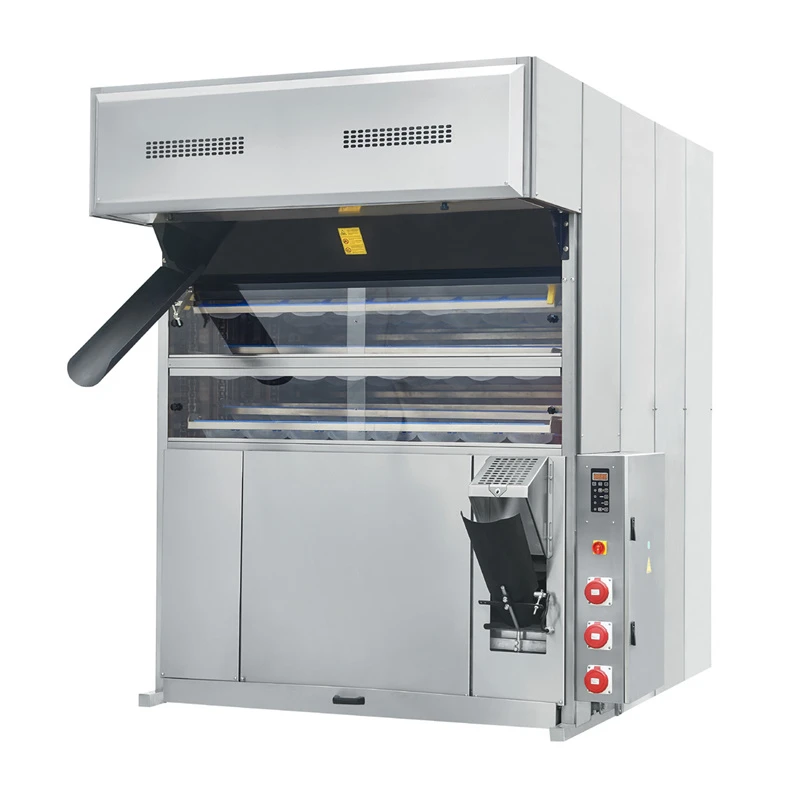
If you’re interested in exploring which dough mixer would work best for your taco dough needs, we’re here to help. Our team can walk you through batch sizes, mixer types, and the best settings for corn masa, soft flour, and hard shell taco dough, no pressure to buy immediately. We’ve helped hundreds of taquerías, restaurants, and food trucks find the right mixer to scale their business while keeping their taco quality intact. Reach out to us to discuss your requirements and get tailored recommendations.
Freezer References
- “Standard Operating Procedures for Commercial Tortilla and Taco Dough Production.” North American Association of Food Equipment Manufacturers, 2022.
- Gluten Development in Wheat Doughs: Mixing Effects and Texture Outcomes. Journal of Food Science, Vol. 86, No. 4, 2021, pp. 1452-1463.
- Masa Harina Hydration and Texture: A Comparative Study of Hand vs. Machine Kneading. Journal of Sensory Studies, Vol. 35, No. 2, 2020.
- Commercial Dough Mixer Specifications for Artisanal and Restaurant Use. National Restaurant Association, 2023.
Guangdong Pinchain Machinery Co., Ltd.
As one of the most professional dough mixer manufacturers and suppliers in China, we have world-leading production equipment and strong manufacturing capabilities. Please feel free to wholesale advanced dough mixer made in China here from our factory.
Address: Room 302, Building 9, CIMC High tech Intelligent Manufacturing Center, No.3 Chanxing 1st Road, Xianyong Village, Chencun Town, Shunde District, Foshan City, Guangdong Province
E-mail: kowa@bakingmachinery.com
WebSite: https://www.bakingsmachinery.com/
