As a livestock feed composite bags supplier, I get this question all the time from farmers, feed mill operators, and even other packaging professionals: “Can the same composite bag work for different livestock feeds?” It’s a fair one—when you’re managing a farm or a feed production line, every piece of equipment and every material you use adds up to time, cost, and consistency. I’ve spent years talking to people who’ve tried using generic bags for multiple feed types, and I’ve seen both the wins and the mistakes that come with not paying attention to the details of what’s inside that bag. Let’s break this down, not as a textbook lecture, but from the perspective of someone who’s been on the floor of a packaging plant, and on the phone with a farmer who lost a batch of calf feed because their bag split at the wrong time. Livestock Feed Composite Bags
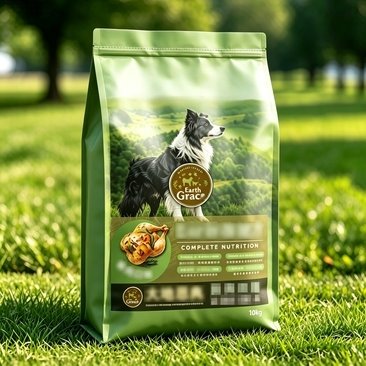
First, let’s start with what a livestock feed composite bag actually is. These aren’t the flimsy plastic bags you use for your household trash. At their core, they’re layered structures—usually a mix of plastic, paper, and sometimes woven polypropylene—engineered for a reason. Each layer does a specific job: the outer layer holds up to harsh farm conditions, like rain, dirt, and rough handling during transport; the inner layer acts as a barrier to keep moisture, pests, and oxygen out of the feed. That barrier is where the magic (and the limits) live. For example, poultry feed is high in fat and tends to be more dusty than, say, a grain-based feed for beef cattle. Pig feed might have added supplements that can react with certain plastics. Horse feed is often heavier, so the bag’s tensile strength matters more than it does for smaller livestock feeds.
So back to the question: can one bag work for all species? The short answer is, it depends. But not just on the bag itself—on the feed’s properties, the storage conditions, and the risks you’re willing to take. Let’s use real examples from the last year alone. Last spring, a local dairy farmer I work with tried using the same 50-pound composite bag for both his dairy cow feed and his heifer starter feed. The heifer feed is a finely ground, high-protein mix with added molasses, which makes it more hygroscopic—meaning it pulls moisture from the air. In the humid Midwest spring, that mix absorbed just enough moisture through the bag’s inner layer to start clumping. By the time he used half the bag, the clumps had started to mold. The dairy feed, which is a coarser grain mix, fared fine in the same bag. That’s not a failure of the bag; it’s a mismatch between the feed’s needs and the bag’s barrier.
On the flip side, I have a large poultry feed customer who uses the same composite bag for their layer feed and their broiler feed—both poultry, but different in how they’re processed. Their layer feed is pelletized, while broiler feed is a crumble. The bag they use has a medium-density polyethylene (MDPE) inner layer that’s thick enough to handle the dust from crumbles and the slight oil content in layer feed, and it’s got a water-repellent outer layer that works in their region’s dry summer climate. They haven’t had a single spoilage issue in two years. That works because the feed’s characteristics align with the bag’s design.
The key here is that livestock species have distinct feed requirements, and those feeds have unique properties that demand specific bag features. Let’s go through the main livestock categories and what their feeds need, so you can see where a one-size-fits-all bag might not cut it.
First, poultry. Poultry feed—whether for layers, broilers, or turkeys—tends to be high in protein, often has added fats or oils, and is either pelleted or crumbled. It’s also extremely dusty. That dust can abrade bag layers over time, leading to tears or holes that let moisture in. For layer feed, which is stored longer on farm shelves (sometimes 3 to 6 months), you need a higher oxygen barrier to prevent fat rancidity—rancid feed makes chickens stop laying, which is a huge economic hit. Broiler feed is used faster, so the oxygen barrier can be a little lower, but the dust requires a more durable inner layer. A bag designed for broiler crumbles won’t work as well for layer feed, because its thinner inner layer might not block oxygen enough, leading to spoiled feed before the layers are done eating.
Next, swine. Swine feed is even more variable than poultry feed. Weanling pig feed is finely ground, high in lactose, and very sensitive to mold and pathogens—even small amounts of moisture can make it unsafe. Finisher pig feed is coarser, higher in fiber, and has less sugar. Gestation sow feed is bulkier, often with added minerals. If you use a generic composite bag for all of these, the weanling feed would need a much tighter moisture barrier than the finisher feed. I’ve seen a grower use a beef cattle bag for weanling pig feed last year—by the time the feed was 2 weeks old, there was mold on top of every bag. The beef cattle bag has a thicker outer layer for rough handling, but its inner layer is not as moisture-resistant, because beef feed is dry and used quickly. That’s a costly mistake.
Then there’s cattle, specifically dairy and beef. Dairy feed is often a mix of grains, hay pellets, and supplements like urea or mineral blocks. It’s heavier—50 to 100 pounds per bag—and it’s sometimes stored outside for short periods. Beef feed, especially for finishing cattle, is even heavier, with more roughage. The biggest issue here is weight and UV exposure. A composite bag designed for smaller sheep feed might not have enough tensile strength to hold 100 pounds of dairy feed, and the outer layer might not be UV-stabilized, so if it’s left in the sun for a day, it can become brittle and split. We did a test last year where a 60-pound dairy feed bag was left in direct sunlight for 48 hours; a non-UV-stabilized bag had 3 splits, while our UV-stabilized composite held up. So if you’re trying to use a sheep bag for dairy, you’re not just risking spoilage—you’re risking feed loss during transport, which adds up fast.
Horses are another big one. Horse feed is usually pelleted or extruded, with added vitamins and supplements, and it’s often fed slower than poultry or swine feed. That means it needs to stay fresh for 2 to 4 months. Horse owners also often store feed in barns, which can have higher humidity and more pests like rodents and insects. A feed that’s high in alfalfa, for example, needs a bag with a good insect barrier—some composite bags have a layer of ethylene vinyl alcohol (EVOH) that repels pests, while others don’t. I had a horse owner come to me last fall, saying his sweet feed (which is molasses-coated) was infested with weevils within a month. He had used a generic cattle bag, which didn’t have the EVOH inner layer to block insect eggs. A composite bag designed specifically for horse feed would have that pest barrier, so he could store the feed safely.
Now, you might be wondering: why can’t we just make a “universal” composite bag for all these? The short answer is cost. Farmers and feed mill operators are always looking to cut costs, and a bag with EVOH, UV stabilization, a high-moisture barrier, and extra tensile strength costs more than a basic one. If you’re only using the high-end bag for high-risk feeds (like weanling pig feed or layer feed), that’s worth it. If you’re using it for low-risk feeds (like beef cattle feed that’s used within a week), you’re paying for features you don’t need. That’s where customization comes in, and that’s what I focus on as a supplier. I don’t sell a single bag; I work with each customer to match the bag to their specific feed, livestock, and storage conditions.
Let’s talk about a real success story. A mid-sized feed mill in Iowa reached out to me 18 months ago. They were producing 8 different feed types, for poultry, swine, and beef, and they were using three different bags, which meant three different suppliers, higher inventory costs, and inconsistent packaging quality. We worked with them to adjust their composite bags: for their poultry layer feed, we added a 10% thicker EVOH layer for moisture and oxygen barrier; for their swine finisher feed, we used a medium-density inner layer with a dust-resistant coating; for their beef feed, we added UV stabilization and extra tensile strength. Now they only use two bags, instead of three, their spoilage rate dropped by 12%, and their packaging costs went down by 8% because they could buy in larger quantities from a single supplier. That’s the sweet spot—using the right bag for each feed, not forcing a one-size-fits-all.
There are also some common myths that I hear all the time, and I want to clear them up. First myth: “Paper bags work for all feeds.” No, paper is porous—it lets moisture and oxygen through, which is why composite bags combine paper or woven poly with plastic layers. For high-moisture feeds, even a treated paper bag won’t work as well as a plastic-lined composite. Second myth: “Larger bags are more durable for all feeds.” A 100-pound beef feed bag needs to be more durable than a 50-pound poultry bag, but that doesn’t mean a 50-pound poultry bag can’t work for other poultry feeds. It’s about the bag’s construction, not just its size. Third myth: “All composite bags are the same.” That’s the biggest one. Not all MDPE layers are the same, not all EVOH layers are the same, and not all outer layers have UV stabilization. I’ve had customers bring me bags from other suppliers that looked identical, but when we tested their moisture barrier, they were 30% worse than our standard for high-humidity feeds.
So, to circle back to the original question: yes, livestock feed composite bags can be used for different species’ feeds—but only if you match the bag’s features to the feed’s unique needs. If you’re using a high-barrier, UV-stabilized bag for both layer feed and beef cattle feed, that’s overkill for the beef feed, and you’re wasting money. If you’re using a thin, low-barrier bag for weanling pig feed or molasses-coated horse feed, you’re risking spoilage, pest infestation, and feed loss. As someone who’s in this industry every day, I can tell you that the best approach is to assess your top risks: what’s the storage time for each feed? What’s the moisture level of the feed? Do you need to block pests, oxygen, or UV? Once you answer those questions, you can pick the right composite bag, or even a customized mix of bags, that works for all your livestock.
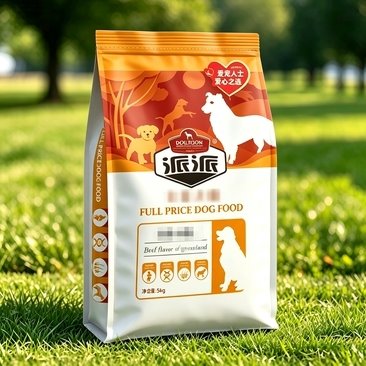
If you’re a farmer, feed mill operator, or anyone else working with livestock feed, you know that the quality of your feed depends on every detail—from the grain you source to the bag you put it in. I’ve seen too many operations lose money because they cut corners on packaging, and too many others save thousands by choosing the right bag for each feed. If you’re looking to streamline your packaging, reduce spoilage, or just make sure your feed stays fresh for every species you raise, I’m here to help. Let’s talk through your specific needs, whether you have poultry, swine, cattle, horses, or any other livestock, and find the composite bag that works for you. Don’t settle for generic—your feed, and your livestock, deserve better.
Aquatic Feed Bags References
- USDA Agricultural Marketing Service. (2022). Packaging Guidelines for Livestock Feed: Barrier Properties and Storage Recommendations.
- European Feed Manufacturers’ Federation. (2021). Composite Packaging for Animal Feed: Comparative Performance by Feed Type.
- Journal of Applied Poultry Research. (2020). The Impact of Feed Packaging on Rancidity and Production Outcomes in Layer Operations.
- National Pork Board. (2023). Best Practices for Weanling Swine Feed Packaging: Moisture and Pathogen Control.
- American Horse Council. (2022). Equine Feed Storage and Packaging: Pest Resistance and Freshness Maintenance.
Zhejiang Xifeng Packaging Co., Ltd.
We are one of the most experienced livestock feed composite bags manufacturers and suppliers in China. With a professional production team, we offer a wide range of products with superior quality. Please feel free to buy bulk livestock feed composite bags at competitive price from our factory. We also accept customized orders.
Address: Xiaojiang Town, Pingyang County, Wenzhou City, Zhejiang Province, China
E-mail: zjxifeng@126.com
WebSite: https://www.xifengpackaging.com/
