Hey folks, let’s cut to the chase: I’m the owner of a small, specialized anti-corrosion primer shop, and I get this question every single day—“Does your primer stop rust 100%?” It’s such a common head-scratcher, especially for contractors, DIYers, and even industrial plant managers who’ve poured money into primers only to see rust pop up 6 months later. I’ve spent 12 years in this game, testing formulas, troubleshooting botched jobs, and talking to guys who’ve had to sand blast a whole bridge because their “perfect” primer failed. So let’s break this down straight, no jargon, no marketing fluff. Anti-corrosion Primer

First, let’s debunk the “completely” myth right away. Rust is a tiny, relentless chemical reaction—iron, oxygen, and water get together, and they don’t mess around. Even the best primers on Earth can’t outrun that reaction forever, but here’s the thing: a good anti-corrosion primer doesn’t just paint over rust—it acts as a barrier, and sometimes even neutralizes the rust that’s already there. Think of it like a raincoat for metal, not a force field. A raincoat keeps most rain off, but if you’re caught in a monsoon for 10 hours straight, it’ll leak. That’s the reality.
Let’s get into the science, but keep it basic. Modern anti-corrosion primers (the kind we make, and I’ll bet most reputable suppliers make) work in two main ways: barrier protection and active inhibition. Barrier stuff is simple—they’re thick, dense coatings that block oxygen, water, and salt (the big rust culprits, especially near coasts or roads). Inhibitors are the secret sauce—usually zinc, phosphate, or even organic compounds that bind to rust molecules and stop that iron-oxygen reaction from spreading. But here’s where it falls apart: if you mess up the prep work, none of that works. That’s the number one mistake I see people make—they sand a little rust off, wipe it with a dirty rag, and slap primer on. If there’s any leftover rust, grease, or old paint under the primer, that’s a gap. Water and oxygen will seep through that gap, hit the remaining rust, and the reaction will push the primer right off from underneath. I’ve seen a truck frame go from no rust to full blisters in 8 weeks because the prep guy skipped wiping off cutting fluid. So even the best primer is useless without proper surface prep.
Another big one: environment. A primer that works great in a dry, temperate garage will fall apart fast in a coastal area with salt spray, or a factory that’s exposed to industrial fumes. I once had a customer in Florida use our standard industrial primer on a dock piling—lasted 18 months. He switched to our marine-grade primer, and it’s been 5 years, no rust. The environment is way more impactful than the primer itself. If you’re in a super harsh spot, even a top-tier primer has a shorter lifespan than it would in a nice, mild climate.
Wait, what about old vs. new primers? A lot of people remember the old red lead primers, which were actually pretty good at stopping rust (but super toxic, so they’re banned now). Modern primers are better in a lot of ways—they’re more durable, stick better, and less harmful—but they’re not perfect. We’ve gotten way better at inhibitor tech, but the barrier science still has limits. Over time, even the thickest primer will wear down from UV rays, abrasion, or temperature changes—metal expands and contracts, the primer cracks, and then rust gets in. So “completely preventing rust” over 10, 20 years? No primer can do that. Can it prevent rust for 5, 10, even 15 years, depending on conditions and prep? Absolutely, that’s what it’s designed for.
Let me share a customer story to make this real. A few years back, a guy brought in a motorcycle frame he’d had stored in his backyard for 2 years—he’d sanded it, sprayed a cheap primer from the hardware store, and half of it was rusted through. I told him we’d strip it, media-blast it to get every last bit of rust and grease off, apply our epoxy primer (the thick, heavy-duty one we make for structural metal), then lay a topcoat. He did that, and 7 years later, he sent me a photo—still no rust, even though it’s parked outside, gets rained on, occasional snow. But if he’d just put our primer on without the blasting? It probably would’ve had the same problem as the cheap stuff. That’s the point: primer is a key part, but it’s not the only part.
I get so many people messaging me asking for a “100% rust-proof” primer, and I wish I could say yes, but I can’t. What I can say is, the right primer, applied correctly, is the single best investment you can make to slow rust down—way better than just painting over it, way cheaper than fixing rust damage later. Rust isn’t something you can ignore; it eats through metal, weakens structures, costs thousands in repairs. A good primer costs a fraction of that.
Let’s talk about common myths that make people think primers fail. One is “primer just needs to stick to the metal.” No, it needs to stick to a clean, dry, properly prepared surface. If you have a tiny patch of rust you missed, primer will cover it, but that rust is still there, and it’ll push the primer off. Another myth: “topcoat is what stops rust, not primer.” That’s half right, but primer is the base. Topcoats are more for UV protection and color, but if the primer underneath is bad, the topcoat will peel right off. I’ve seen people skip primer entirely, just put a clear coat on a rusty fence, and wonder why rust is visible a month later.
So what’s the realistic takeaway? Anti-corrosion primers don’t prevent rust completely, but they’re the most effective tool we have to control it. The difference between good primer and bad primer is that a good one will handle the little gaps in prep, the mild environmental stress, and stick around long enough for your metal to last. Our primers, for example, are tested in salt spray chambers for 2,000 hours (that’s like 5 years of harsh coastal exposure) without rust under the film. That’s a standard we set because we’ve seen what happens when you cut corners on formula.
But here’s the thing—if you’re someone who needs to protect a structural beam, a ship’s hull, a car frame, or a fence, you don’t need “completely prevent rust” forever. You need something that will do its job for as long as possible, so you don’t have to redo the work every year. That’s what our anti-corrosion primers are built for.
I’ve had guys come to me after a bad experience with another primer, and when we work through their issue, 9 times out of 10, it’s not the primer’s fault—it’s the prep, the environment, or them using the wrong primer for the job. A lot of brands market their primer as “universal,” but there’s no such thing. You don’t use a car primer on a bridge, you don’t use a marine primer on a dry interior frame. That’s a mistake a lot of people make, and it makes primers look like they don’t work when it’s just a mismatch.
Let’s wrap this up: No anti-corrosion primer, including the ones we make, will prevent rust 100% under all conditions. But that’s not a failure—it’s just how rust works. The right primer, applied right, will minimize rust, extend the life of your metal, and save you a ton of money in the long run. If you’re not sure which primer is right for your project, or you need help troubleshooting a rust problem, hit us up to chat about your needs. We’re not here to sell you a one-size-fits-all bottle—we’re here to help you pick something that will actually do the job for your specific situation.
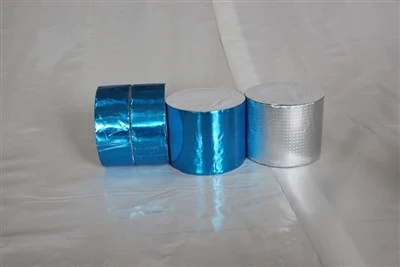
Don’t make the mistake of thinking primer is a magic fix. It’s a tool, a really good tool, but it needs to be paired with good prep, the right environment matching, and a little common sense. Rust will always be there, but a proper anti-corrosion primer will keep it from taking over.
Reinforced Fiber Anticorrosive Tape References:
- Corrosion Prevention and Control, NACE International, 2021
- Industrial Coatings Handbook, 5th Edition, Society for Protective Coatings, 2019
- Salt Spray Testing Standards, ASTM B117-19, American Society for Testing and Materials, 2019
- Metal Surface Preparation for Coatings, International Organization for Standardization, ISO 8501-1:2017
Jining Xunda Pipe Coating Materials Co., Ltd.
Jining Xunda Pipe Coating Materials Co., Ltd. is one of the most professional anti-corrosion primer manufacturers and suppliers in China, featured by quality products and good price. Welcome to buy discount anti-corrosion primer in stock here and get pricelist from our factory. Also, customized service and five years warranty are available.
Address: Jibei High-tech Industrial Park, Jining City
E-mail: sales.guo@xundatape.com
WebSite: https://www.xundapipetape.com/
