If you’ve been scrolling through skincare feeds lately, or stood in the beauty aisle comparing mask labels, you’ve probably seen the term “probiotic facial mask” popping up next to sheet masks, clay masks, and overnight gels. For a long time, probiotics were something we only associated with gut health—yogurt, supplements, talking about balancing digestion. But now, they’re everywhere in skincare, and as a facial mask supplier, I get questions from spa owners and beauty buyers all the time: What does a probiotic mask even do? Is it just a buzzword, or is there actual science behind it? Let’s break this down, no overly complicated jargon, just real talk about what makes these masks different, and why more people are reaching for them than ever before. Facial Mask
First, let’s get the basics straight: Probiotics are live, beneficial microorganisms that support balance, right? For your gut, that means keeping bad bacteria in check, helping with nutrient absorption, even supporting your immune system. Your skin has its own microbiome—like a tiny, delicate ecosystem living on the surface, made up of good bacteria, fungi, and yeast. When that ecosystem gets out of whack—from harsh cleansers, pollution, stress, even changes in weather—you get skin issues: breakouts, dryness, redness, irritation, that tight, dull feeling even after you moisturize. A probiotic facial mask works like a targeted reset for that skin ecosystem, delivering those good bacteria directly where they’re needed most.
Wait, not all masks labeled “probiotic” are the same, though. Some use what’s called “postbiotics” or “parabiotics,” which are byproducts of probiotics or ingredients that support the good bacteria already on your skin, and that’s totally fine—they do similar work without the risk of live microbes not surviving on the skin’s surface. But for this blog, I’m talking about masks that actually contain beneficial microorganisms, specifically strains that are proven to benefit skin health. Think Lactobacillus, a common probiotic strain that’s been used in skincare for decades, or Bifidobacterium, another one that’s gentle enough for sensitive skin.
Let’s talk about why that matters, beyond just “balance.” Your skin’s microbiome is your first line of defense against environmental stressors. When it’s disrupted, irritants can get through more easily, leading to inflammation. Studies have shown that probiotics in skincare can help reduce that inflammation by regulating the skin’s natural immune response. For someone with acne-prone skin, that means less redness from breakouts, and even a reduction in excess oil production because the bad bacteria that feed on oil are kept in check. For people with eczema or rosacea, which are often linked to a compromised skin barrier, probiotics help repair that barrier, locking in moisture and keeping irritants out. And for normal skin types? It’s a preventive step—keeping that ecosystem balanced so your skin stays clear and glowing, no matter what the weather throws at it.
As a facial mask supplier, I’ve tested dozens of formulations over the years, and one thing that’s super important is how the probiotics are processed. If the live bacteria die before the mask even gets to the customer, they don’t do any good. That’s why our team works with cold-chain processing for our probiotic masks—keeping the microbes stable from production to packaging, so when a customer uses the mask, the probiotics are still alive and active. It’s a little more work, and it means a slightly shorter shelf life than some masks, but we think it’s worth it. If you’re buying a probiotic mask from somewhere else, check the label for processing details—if it doesn’t mention live cultures or stabilization, it might just be a mask with added fermented ingredients, which is different, but still can offer benefits (fermented ingredients break down nutrients so your skin can absorb them easier, too).
Now, let’s get real about what a probiotic facial mask won’t do. It’s not a miracle cure. It won’t turn around years of chronic skin issues in one use—skincare works over time, consistency matters. But what it does is complement your routine, especially if you’re dealing with persistent sensitivity or breakouts that other masks haven’t fixed. For example, I have a friend who’s had combination skin her whole life, and every winter, her T-zone gets oily and her cheeks get so dry they flake. She started using a probiotic mask once a week, alongside her regular cleanser and moisturizer, and within a month, that imbalance evened out. No more mid-day shine on her forehead, no more tight, dry skin on her cheeks. That’s the kind of result you see from consistent use.
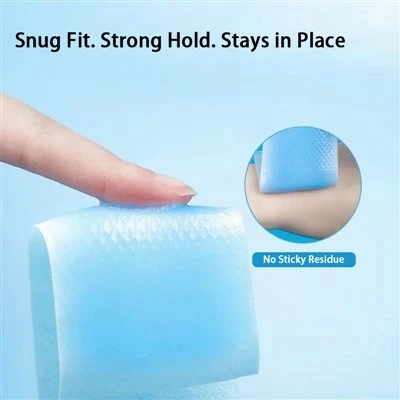
Another thing I hear a lot: “Probiotics sound gross, like putting yogurt on my face.” Wait, that’s a common misconception, and I get it. But the probiotics in skincare are specially selected strains that are gentle on skin—they’re not the same bacteria in your gut or in food, so you don’t have to worry about any weird side effects. And the mask is formulated with other gentle ingredients, like hyaluronic acid, centella asiatica, and rose water, to soothe and hydrate along with the probiotics. Our probiotic sheet mask, for example, has a thin, bamboo fiber sheet that fits snugly on the face, so the serum with the probiotics gets absorbed evenly, no sticky residue, just soft, glowing skin after 20 minutes.
Why are these masks blowing up right now? I think it’s because consumers are getting smarter about what they put on their skin, and they’re moving beyond just covering up symptoms to addressing root causes. A lot of people used to reach for a clay mask to dry out breakouts, but that can strip the skin barrier, making imbalance worse long-term. Probiotics work with your skin, not against it, which aligns with the current shift toward gentle, skin-supporting skincare. And as a facial mask supplier, we’ve seen demand grow year over year, because spa owners, boutique beauty brands, and even large retailers are asking for probiotic options that deliver real results.
Now, if you’re a beauty buyer, spa owner, or brand looking to add a probiotic facial mask to your line, there are a few things to look for. First, check for third-party testing that proves the probiotics are viable at the time of use. A lot of brands make claims about probiotics but don’t have data to back it up. Second, think about your target customer: are you selling to people with sensitive skin, acne-prone skin, or general anti-aging customers? Probiotics work for all of these, but some strains are more suited for specific needs. For example, Lactobacillus ferment is great for brightening, while Bifidobacterium is perfect for repairing barriers. Third, consider the type of mask: sheet masks, clay masks, overnight masks, all can have probiotics, but sheet masks are super popular for at-home use because they’re easy to incorporate into a weekly routine.
I’ve had buyers reach out to me saying they tried a cheap probiotic mask that did nothing, and they’re worried they’re wasting money. That’s why it’s important to partner with a supplier who prioritizes formulation quality. At our company, we work with board-certified dermatologists to test every batch of our probiotic masks, making sure they’re non-comedogenic, free of parabens and harsh fragrances, and effective for all skin types. We also offer custom formulations if you’re looking for something tailored to your brand’s specific needs—whether you want a probiotic mask infused with collagen for anti-aging, or one with tea tree oil for acne-prone skin, we can help create it.
Let’s wrap this up: a probiotic facial mask isn’t just a skincare trend. It’s a science-backed product that addresses the root of many common skin issues by balancing your skin’s natural microbiome. Unlike traditional masks that focus on surface-level changes, probiotics work to strengthen your skin’s barrier, reduce inflammation, and support long-term skin health. As someone who’s been in the facial mask industry for over a decade, I’ve seen firsthand how these masks can transform not just skin, but confidence—when your skin feels balanced, you feel better in your own skin.
If you’re a retailer, spa owner, or brand owner interested in learning more about our probiotic facial mask formulations, or discussing private label options that fit your brand’s needs, we encourage you to connect with our team to schedule a supply and pricing discussion. We’re here to answer your questions, share more about our ingredient processes, and help you find the right mask offerings to delight your customers.
Cooling Pain Relief Patch References:
- Grice, E. A., & Segre, J. A. (2011). The skin microbiome. Nature Reviews Microbiology, 9(4), 244-255.
- Kim, J. E., et al. (2019). Probiotics as functional ingredients in skin care: A review. International Journal of Cosmetic Science, 41(3), 227-235.
- O’Neill, C. A., et al. (2020). The role of the skin microbiome in skin health and disease. Journal of Drugs in Dermatology, 19(10), 1042-1048.
- Proksch, E. (2018). Skin microbiome: The link between skin health and disease. Current Problems in Dermatology, 53, 1-8.
Anhui Meikangning Biotechnology Co., Ltd.
As one of the most professional facial mask manufacturers and suppliers in China, we’re featured by quality products and good price. We warmly welcome you to buy customized facial mask made in China here from our factory. If you have any enquiry about pricelist, please feel free to email us.
Address: Room 3-1, Building 7, Guojiaomei Industrial Park, Chengbei Town, Jin’an District, Lu’an City, Anhui Province, P.R.China
E-mail: M13957922968@163.com
WebSite: https://www.meikangningbio.com/
