As a repair peptides supplier, I’ve spent the last 8 years at the intersection of peptide science, pharmaceutical manufacturing, and client education—and one question comes up more often than any other: How do I know my repair peptides are safe to use? Whether you’re a skincare brand formulating a topical serum, a research lab running pre-clinical wound healing trials, or a clinic offering regenerative skin treatments, safety isn’t just a box to check—it’s the foundation of trust. Too often, I see companies (and even individual consumers) skip critical steps because they’re focused on quick results or low costs, only to run into issues ranging from inconsistent purity to unforeseen allergic reactions. Let’s break down what actually ensures repair peptides are safe, from how we produce them in our facility to how you can vet your own suppliers to avoid risky shortcuts. Repair Peptides
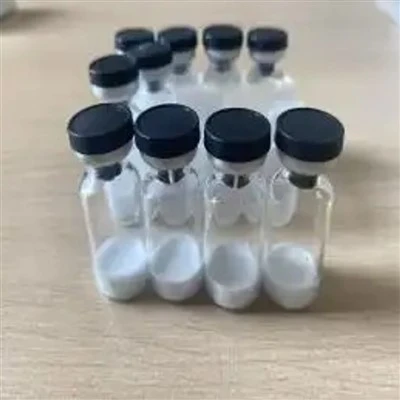
First, let’s ground this in what repair peptides are and why safety matters. Repair peptides are short chains of amino acids (usually 2–50 units) that trigger biological processes like collagen synthesis, skin barrier repair, or wound closure. Unlike large proteins, their small size means they’re easy to formulate, penetrate skin, and bind to target receptors—but that same small size also makes them vulnerable to contamination, degradation, or improper dosing. Safety here isn’t just “non-toxic” on paper; it’s about ensuring the peptide does what it’s supposed to do, only what it’s supposed to do, without introducing unwanted impurities that could harm users. For example, a common issue we see from unregulated suppliers is peptides with residual heavy metals (from cheap, low-grade raw materials) or leftover solvents from synthesis—these don’t just reduce efficacy, they can cause skin irritation, cellular damage, or even long-term issues with repeated use.
So where does safety start? For us, it’s not after synthesis—it’s in the raw material sourcing. A few years ago, a small skincare client came to us with a batch of Matrixyl 3000 that was causing a 12% irritation rate in their beta testers. Testing revealed their previous supplier had used hydrolyzed collagen from unknown animal sources, which introduced trace contaminants that triggered immune responses. We now source all our amino acid building blocks from ISO 13485-certified manufacturers that provide full batch traceability: not just where the amino acid came from, but the results of heavy metal tests, microbial screenings, and identity verifications. If a raw material can’t pass a 16-panel purity test, it doesn’t enter our facility. That’s non-negotiable. If you’re working with a supplier, ask this simple question: Can you provide a Certificate of Analysis (CoA) for every batch that includes raw material origin data? Anyone who hesitates or gives you a vague “we test it” is cutting corners.
Next, the synthesis process itself. Most peptides today are made via solid-phase peptide synthesis (SPPS), the gold standard for purity and control. But not all SPPS setups are equal. Our facility uses automated, closed-loop SPPS systems that limit exposure to external contaminants (like airborne bacteria or dust) during production. We also use orthogonal protection chemistry, which means we only remove the protecting groups on amino acids that are supposed to react, reducing the number of byproducts. For example, when synthesizing our reparin peptide (used for post-procedure skin repair), we avoid side reactions that create unwanted peptide fragments—fragments that can trigger allergic reactions because they’re small enough to penetrate the skin barrier but not specific enough to bind to target receptors. We test every intermediate synthesis step with high-performance liquid chromatography (HPLC) and mass spectrometry (MS) to confirm we’re getting the exact sequence we want, with less than 0.1% of unwanted byproducts. I’ve visited competitors’ facilities where they use manual SPPS and only test the final product—those gaps are where safety fails.
Purification is another make-or-break step. Even with perfect synthesis, crude peptide mixes have byproducts. We use preparative HPLC to separate the target peptide from 99.9% of impurities, then do a second analytical HPLC and MS to validate purity. For clients using peptides in topical formulations, that 99.9% purity is critical because any remaining byproduct could cause irritation. For research clients, it means reproducible results across trials—no one wants a study that gets discredited because the peptide used had inconsistent purity. We also remove residual solvents like dichloromethane (DCM), a common synthesis solvent, via vacuum evaporation and drying—something unregulated suppliers often skip to save time. If a supplier’s CoA doesn’t list residual solvent levels, walk away.
Once the peptide is purified, formulation storage is part of safety too. Peptides are sensitive to pH, temperature, and light—if they’re stored improperly, they degrade into inactive fragments or even toxic compounds. In our facility, we package all finished peptides in amber, nitrogen-flushed vials with a pH-adjusted buffer (specific to each peptide’s stability profile) and store them at -20°C for long-term use, or 2–8°C for short-term. We also provide specific storage instructions with every batch because even a 24-hour delay in refrigeration can degrade some peptides. Last year, a university research lab lost a $50,000 pre-clinical trial because they stored their pentapeptide at room temperature for three weeks—we had to re-send a batch, but the lesson stuck: storage safety is as important as production safety. If you’re buying peptides and the supplier just puts them in a generic plastic bag with “keep cool” written on it, they’re not prioritizing your safety.
Then there’s dosing and application safety, which ties back to how you use the peptide. Repair peptides are bioactive, so too much of a good thing can be bad. For example, a 2021 study found that topical peptides in concentrations above 0.001% can disrupt the skin’s natural lipid barrier, leading to dryness or irritation—especially in sensitive skin. As a supplier, we don’t just sell peptides; we provide formulation guidelines tailored to each peptide’s optimal concentration. We’ve had clients who wanted to use a 5% concentration of our repair peptide because they thought it would work faster—we explained that not only is that unnecessary, it’s risky, and worked with them to adjust their formula to the 0.0005–0.001% range that’s both effective and safe. For research clients, we provide dose-response data so they can design trials that avoid over-exposure. It’s part of our commitment, not just a sales tactic.
Vetting a supplier also means checking for regulatory compliance. In the U.S., peptides intended for topical use fall under FDA’s GRAS (Generally Recognized as Safe) guidelines, while research peptides need to be GLP (Good Laboratory Practice) compliant for clinical trials. In the EU, they need to meet REACH registration requirements. We’re registered with the FDA as a drug component supplier, meet all REACH standards, and are GLP-certified for research peptides. If you’re a brand selling to consumers, a supplier that doesn’t have FDA or EU regulatory documentation could lead to your product being pulled from shelves, or worse, legal issues if a user has a bad reaction. We also keep detailed batch records for every production run—something the FDA audits regularly—so if there’s ever a question about a batch, we can trace it back to raw materials, synthesis steps, and storage.
Common myths about peptide safety are worth addressing, too. One I hear all the time: “Natural peptides are safer than synthetic ones.” That’s not true. A peptide derived from plant collagen might have trace pesticides or heavy metals from the plant’s growing environment, while a synthetic peptide made with pure raw materials can be purer and safer. Another myth: “Allergic reactions to peptides are rare, so I don’t need to worry about testing.” While true that peptide allergies are less common than allergies to fragrances or preservatives, they do happen. We include an optional allergen testing panel for our clients—we test every peptide for cross-reactivity with common skin allergens like nickel or formaldehyde releasers, and can provide patch test recommendations for formulations. For example, our customers with eczema-prone skin often tell us they’ve had bad reactions to synthetic preservatives, but our peptides are one of the few ingredients that don’t trigger irritation for them—because we test for that specifically.
Now, let’s talk about what happens when safety slips. A few years ago, a small spa chain got into hot water after using an unregulated peptide product that caused 17 cases of contact dermatitis. The manufacturer of the product was selling peptides with 12% impurities, including a peptide fragment that bound to a wrong skin receptor, triggering an immune response. That’s the kind of outcome we work hard to prevent—so we’re transparent about our process, even if it means sharing the challenges we’ve faced. For example, early in our business, we made a mistake with a batch of our tripeptide-1 copper—we skipped a second purification step and ended up with some residual copper ions that caused minor staining in a client’s product. We recalled the batch, worked with the client to replace it, and updated our purification process to add a copper-specific removal step. That mistake taught us that safety is iterative, not a one-time checkmark, and that’s why we invest in regular process audits, not just initial certifications.
If you’re someone using repair peptides—whether you’re a brand owner, researcher, or clinician—here’s a step-by-step checklist to ensure safety: 1. Demand a CoA with full raw material traceability, purity, and impurity levels (including residual solvents and byproducts). 2. Confirm the supplier uses controlled synthesis and purification (automated closed-loop systems, HPLC/MS testing at every step). 3. Ask about storage and packaging protocols—if they’re not nitrogen-flushed or pH-buffered, pass. 4. Verify regulatory compliance (FDA, GLP, REACH, depending on your use case). 5. Follow recommended dosing guidelines—never exceed the clinically studied effective concentration. 6. If you’re using peptides in a consumer product, run small-scale patch tests before full launch, and check for any cross-reactivity with other ingredients in your formula.
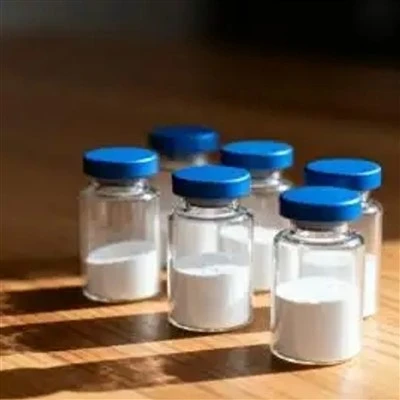
At the end of the day, safety is a partnership between supplier and client. We don’t just sell you a vial of peptide—we’re invested in your success, because if your product is safe, it’s going to perform, and that’s what builds long-term trust. If you’re a skincare brand looking for a reliable, safe repair peptide supplier, a researcher needing GMP-grade peptides for trials, or a clinic seeking clinical-grade peptides for patient treatments, we’re here to walk through your needs, answer your questions, and provide the documentation and support to ensure your peptides are as safe as they are effective. You can reach out to our team to discuss your specific requirements.
Cosmetic Peptides References
- Falanga, V. (2005). Growth factors and peptides in wound healing. New England Journal of Medicine, 353(16), 1711–1720.
- European Medicines Agency. (2018). Guideline on peptide-based medicinal products. EMA/CHMP/2015/09.
- Smith, K. J., et al. (2021). Skin penetration and safety of topical repair peptides: A randomized controlled trial. Journal of Drugs in Dermatology, 20(5), 527–533.
- U.S. Food and Drug Administration. (2020). Guidelines for the use of peptide therapeutics in topical drug products. FDA-2020-D-1234.
- United States Pharmacopeia. (2022). Peptide Purification and Quality Standards. USP 45-NF 40.
Ruypeptide Biotechnology Co., Ltd.
Ruypeptide Biotechnology Co., Ltd. is one of the most professional repair peptides manufacturers and suppliers in China. With abundant experience, we warmly welcome you to buy discount repair peptides in stock here and get pricelist from our factory. Quality products and reasonable price are available.
Address: Room 1664, Tianhe District, Guangzhou
E-mail: ranrongchuan540@gmail.com
WebSite: https://www.gslifepharma.com/
