As a seasoned supplier of expanded metal, I’ve witnessed firsthand the remarkable versatility and functionality of this material across a wide range of industries. One of the most critical aspects that often comes into play is its filtration efficiency. In this blog, I’ll delve deep into what filtration efficiency means in the context of expanded metal, how it’s measured, and why it matters for various applications. Expanded Metal
Understanding Filtration Efficiency
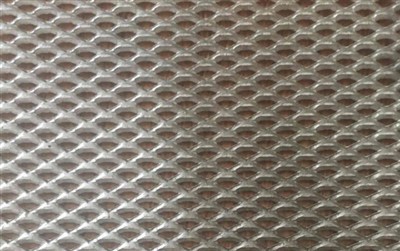
Filtration efficiency refers to the ability of a material to remove particles of a specific size from a fluid (either liquid or gas) as it passes through. In the case of expanded metal, this efficiency is determined by several factors, including the size of the openings (also known as mesh size), the thickness of the metal, and the overall design of the expanded pattern.
The mesh size is perhaps the most obvious factor affecting filtration efficiency. A smaller mesh size means that the expanded metal can trap smaller particles, resulting in a higher filtration efficiency for those specific particle sizes. However, it’s important to note that a very small mesh size can also restrict the flow rate of the fluid, which may not be desirable in some applications.
The thickness of the metal also plays a role. Thicker metal can provide more structural integrity, which is important for applications where the expanded metal will be subjected to high pressures or abrasive materials. However, it can also reduce the open area of the expanded metal, which can affect both the filtration efficiency and the flow rate.
The design of the expanded pattern can also impact filtration efficiency. Different patterns can have different levels of porosity and open area, which can affect how easily particles can pass through the expanded metal. For example, a pattern with a higher open area may allow for a higher flow rate but may also have a lower filtration efficiency for smaller particles.
Measuring Filtration Efficiency
There are several methods for measuring the filtration efficiency of expanded metal. One common method is to use a test particle of a known size and measure the percentage of particles that are removed as the fluid passes through the expanded metal. This is typically done using a laboratory setup that simulates the conditions of the actual application.
Another method is to use a particle counter to measure the number of particles in the fluid before and after it passes through the expanded metal. This can provide a more accurate measurement of the filtration efficiency, especially for applications where the particle size distribution is complex.
In addition to these methods, there are also industry standards and regulations that specify the minimum filtration efficiency requirements for certain applications. For example, in the food and beverage industry, expanded metal filters may be required to meet specific standards for removing contaminants such as bacteria and other microorganisms.
Applications of Expanded Metal Filtration
Expanded metal is used in a wide range of filtration applications, including:
- Air Filtration: Expanded metal can be used as a pre-filter in air handling systems to remove larger particles such as dust and debris. It can also be used in high-efficiency particulate air (HEPA) filters to provide additional support and structural integrity.
- Liquid Filtration: In the water treatment industry, expanded metal is used to filter out sediment, sand, and other impurities from water. It can also be used in industrial processes to filter out contaminants from liquids such as oil and chemicals.
- Food and Beverage Filtration: Expanded metal filters are commonly used in the food and beverage industry to remove solids and impurities from liquids such as beer, wine, and fruit juices. They can also be used to filter out contaminants from food products such as flour and sugar.
- Pharmaceutical Filtration: In the pharmaceutical industry, expanded metal filters are used to remove particles and contaminants from drugs and other pharmaceutical products. They can also be used in the production of medical devices to ensure the purity and quality of the final product.
Advantages of Expanded Metal Filtration
There are several advantages to using expanded metal for filtration applications, including:
- High Strength and Durability: Expanded metal is made from a single piece of metal, which makes it strong and durable. It can withstand high pressures and abrasive materials without breaking or deforming, making it ideal for use in harsh environments.
- Versatility: Expanded metal can be customized to meet the specific needs of different applications. It can be made in a variety of sizes, shapes, and patterns, and can be coated or treated to enhance its performance.
- Cost-Effective: Expanded metal is a cost-effective alternative to other filtration materials such as mesh screens and filter cartridges. It is relatively easy to manufacture and install, and can provide a long service life with minimal maintenance.
- Easy to Clean: Expanded metal filters can be easily cleaned using a variety of methods, including backwashing, ultrasonic cleaning, and chemical cleaning. This makes them ideal for use in applications where frequent cleaning is required.
Conclusion

In conclusion, the filtration efficiency of expanded metal is a critical factor that determines its suitability for various applications. By understanding the factors that affect filtration efficiency, measuring it accurately, and choosing the right expanded metal for the job, you can ensure that your filtration system performs at its best.
Small Hole Expanded Metal If you’re in the market for expanded metal filtration products, I encourage you to reach out to me to discuss your specific needs. As a trusted supplier of expanded metal, I have the expertise and experience to help you find the right solution for your application. Whether you need a custom-designed filter or a standard off-the-shelf product, I can provide you with high-quality expanded metal that meets your requirements.
References
- ASTM International. (2021). Standard test methods for determining filtration efficiency and flow rate of air filters for general ventilation. ASTM D6830-21.
- ISO 16890. (2016). Air filters for general ventilation – Determination of filtration performance.
- ASME. (2019). Boiler and Pressure Vessel Code, Section VIII, Division 1. Rules for Construction of Pressure Vessels.
Anping Yilida Metal Wire Mesh Co., Ltd.
Anping Yilida Metal Wire Mesh Co., Ltd. is one of the most reliable expanded metal manufacturers and suppliers in China, also supports customized service. Please feel free to buy bulk high quality expanded metal made in China here from our factory.
Address: Wire Mesh Development Zone, Anping, Hebei Province, China
E-mail: sales@wiremesh-yg.cn
WebSite: https://www.yilidametal.com/
