Hey there! I’m a supplier of liquid cooling pipes, and I know how frustrating it can be when air gets into those pipes. Air bubbles in a liquid cooling system can cause all sorts of problems, like reducing the efficiency of the cooling process, making noise, and even potentially damaging the system over time. So, I’m here to share some tips on how to prevent air from entering a liquid cooling pipe. Liquid Cooling Pipe

Understanding Why Air Gets In
First off, let’s talk about why air might find its way into the liquid cooling pipe. One common reason is improper installation. If the pipes aren’t connected tightly enough, air can seep in through the gaps. Another reason could be leaks in the system. Over time, the pipes might develop small cracks or holes, allowing air to enter. Also, when you’re filling the system with coolant, if you’re not careful, you can accidentally introduce air bubbles.
Proper Installation
One of the most important steps in preventing air from entering is proper installation. When you’re connecting the liquid cooling pipes, make sure all the fittings are tight. You can use some thread seal tape on the threaded connections to create a better seal. This tape helps to fill in any small gaps between the threads and prevents air from leaking in.
Another thing to keep in mind during installation is to avoid sharp bends in the pipes. Sharp bends can cause turbulence in the coolant flow, which can trap air bubbles. Try to make smooth, gradual curves instead. And when you’re routing the pipes, make sure they’re not pinched or kinked, as this can also disrupt the flow and lead to air getting trapped.
Bleeding the System
Once you’ve installed the liquid cooling system, it’s a good idea to bleed it. Bleeding the system means removing any air that might have gotten trapped inside during the installation process. To do this, you’ll need to find the bleed valve on your system. This is usually a small valve located at the highest point of the cooling loop.
Open the bleed valve and let the coolant flow. As the coolant moves through the system, it will push the air bubbles out through the bleed valve. You might need to run the pump for a while to get all the air out. Keep an eye on the bleed valve, and when you see a steady stream of coolant without any air bubbles, you can close the valve.
Maintaining the System
Regular maintenance is key to preventing air from entering the liquid cooling pipe. You should check the system periodically for any signs of leaks. Look for wet spots around the connections or along the pipes. If you find a leak, you need to fix it right away. You can use a sealant or replace the damaged part.
It’s also important to keep an eye on the coolant level. Over time, the coolant might evaporate or leak out, and if the level gets too low, air can enter the system. Make sure to top up the coolant regularly with the right type of coolant for your system.
Using the Right Coolant
The type of coolant you use can also affect the likelihood of air entering the system. Some coolants are more prone to foaming, which can create air bubbles. Look for a coolant that has anti-foaming agents in it. These agents help to break up the bubbles and prevent them from forming in the first place.
Sealing the Reservoir
If your liquid cooling system has a reservoir, make sure it’s properly sealed. The reservoir is where you add and store the coolant, and if it’s not sealed correctly, air can enter when the coolant level changes. Check the lid or cap of the reservoir and make sure it fits tightly. You can also use a gasket or O-ring to create a better seal.
Pump Placement
The placement of the pump in the liquid cooling system can also play a role in preventing air from entering. The pump should be placed at a low point in the system. This helps to ensure that the coolant is flowing smoothly and that air bubbles are less likely to get trapped. If the pump is placed too high, it might suck in air from the top of the coolant reservoir.
Monitoring the System
Finally, it’s a good idea to monitor your liquid cooling system regularly. You can use sensors to keep track of the temperature, pressure, and flow rate of the coolant. If you notice any sudden changes in these parameters, it could be a sign that there’s air in the system or that there’s a problem with the system.
In conclusion, preventing air from entering a liquid cooling pipe requires a combination of proper installation, regular maintenance, and using the right components. By following these tips, you can ensure that your liquid cooling system runs smoothly and efficiently, without any air-related problems.
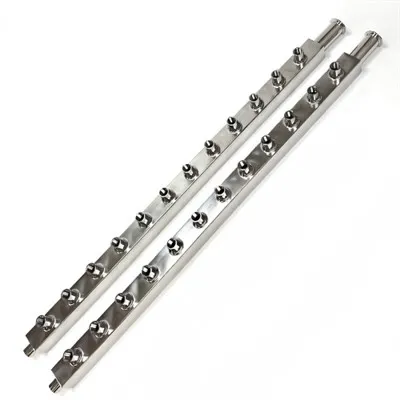
If you’re in the market for high-quality liquid cooling pipes, I’d love to chat with you. Whether you’re building a small PC cooling system or a large industrial cooling setup, we’ve got the pipes you need. Just reach out, and we can start a conversation about your specific requirements.
Smooth Condenser Tube References
- Cooling System Handbook, various industry publications
- Personal experience in the liquid cooling pipe supply business
China Super Tech Co., Ltd.
As one of the most professional liquid cooling pipe manufacturers and suppliers in China, we’re featured by quality products and good service. Please rest assured to wholesale OEM liquid cooling pipe from our factory. Also, custom service is available.
Address: Wangjing Science and Technology Park, Guangshun North Street, Chaoyang District, Beijing
E-mail: sales@316liquidcooling.com
WebSite: https://www.316liquidcooling.com/
