Hey there! I’m a supplier of fabric conveyor belts, and I often get asked if these belts can be used for transporting liquid materials. It’s a great question, and today, I’m gonna dive deep into this topic to give you the lowdown. Fabric Conveyor Belt
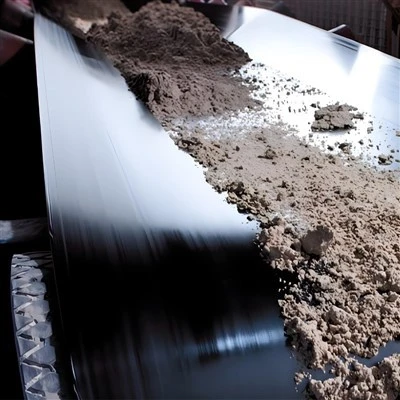
First off, let’s talk about what fabric conveyor belts are. They’re made of layers of fabric, usually cotton, polyester, or a blend of both, and are coated with rubber or other polymers to give them strength and durability. These belts are commonly used in industries like mining, agriculture, and manufacturing to move all sorts of solid materials, from grains to coal.
But can they handle liquids? Well, the short answer is it depends. There are a few factors we need to consider before we can say yes or no.
Compatibility of the Belt Material
The first thing we gotta think about is the compatibility of the belt material with the liquid. Different liquids have different chemical properties, and some can be pretty harsh on the fabric and coating of the conveyor belt. For example, if you’re dealing with acidic or alkaline liquids, they can eat away at the rubber coating over time, weakening the belt and reducing its lifespan.
On the other hand, if the liquid is just water or a mild solution, most fabric conveyor belts should be able to handle it without any major issues. However, it’s still a good idea to test a small sample of the belt with the liquid to make sure there’s no adverse reaction.
Belt Design and Construction
Another important factor is the design and construction of the belt. For transporting liquids, we need a belt that can prevent leakage and keep the liquid contained. This means the belt should have a smooth surface and tight seams to minimize the chances of the liquid seeping through.
Some fabric conveyor belts are designed with special features to make them more suitable for liquid transportation. For example, they might have raised edges or sidewalls to contain the liquid and prevent it from spilling over the sides. These belts are often used in applications like food processing, where it’s important to keep the liquid within the belt’s boundaries.
Speed and Flow Rate
The speed and flow rate of the liquid also play a role in determining whether a fabric conveyor belt can be used. If the liquid is flowing too fast or at a high pressure, it can cause the belt to stretch or slip, which can lead to problems like uneven distribution of the liquid or even damage to the belt.
We need to make sure the belt is designed to handle the specific speed and flow rate of the liquid. This might involve choosing a belt with a higher tensile strength or adjusting the tension of the belt to ensure it stays in place.
Cleaning and Maintenance
When it comes to transporting liquids, cleaning and maintenance are crucial. Liquids can leave behind residue on the belt, which can attract dirt and bacteria and cause the belt to deteriorate over time.
We need to have a regular cleaning schedule in place to keep the belt clean and free of debris. This might involve using special cleaning agents or equipment to remove the liquid residue. Additionally, we need to inspect the belt regularly for any signs of wear and tear and replace it if necessary.
Examples of Liquid Transportation with Fabric Conveyor Belts
Now that we’ve talked about the factors to consider, let’s look at some examples of where fabric conveyor belts are used for transporting liquids.
One common application is in the food and beverage industry. Fabric conveyor belts are often used to transport liquids like milk, juice, and syrup. These belts are designed to be food-grade and can be easily cleaned to meet the strict hygiene standards of the industry.
Another example is in the chemical industry. Fabric conveyor belts can be used to transport various chemicals, as long as the belt material is compatible with the chemicals. For example, some belts are made with a special coating that can resist the corrosive effects of certain chemicals.
Advantages of Using Fabric Conveyor Belts for Liquid Transportation
There are several advantages to using fabric conveyor belts for liquid transportation.
First of all, they’re relatively inexpensive compared to other types of conveyor systems. This makes them a cost-effective option for many industries, especially those with a limited budget.
Secondly, fabric conveyor belts are flexible and can be easily customized to fit the specific needs of the application. We can choose the right belt material, width, and length to ensure it works well for transporting the liquid.
Finally, fabric conveyor belts are easy to install and maintain. They don’t require a lot of complex equipment or specialized training, which makes them a convenient option for many businesses.
Disadvantages of Using Fabric Conveyor Belts for Liquid Transportation
Of course, there are also some disadvantages to using fabric conveyor belts for liquid transportation.
One of the main disadvantages is the potential for leakage. If the belt is not properly designed or maintained, the liquid can seep through the seams or edges of the belt, which can cause a mess and create safety hazards.
Another disadvantage is the limited capacity. Fabric conveyor belts are not as strong as some other types of conveyor systems, so they may not be able to handle large volumes of liquid or high-pressure applications.
Conclusion
So, can a fabric conveyor belt be used for transporting liquid materials? The answer is yes, but it depends on several factors, including the compatibility of the belt material with the liquid, the belt design and construction, the speed and flow rate of the liquid, and the cleaning and maintenance requirements.
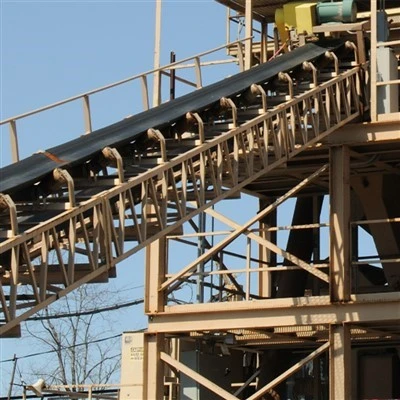
If you’re considering using a fabric conveyor belt for liquid transportation, it’s important to do your research and choose the right belt for your application. At our company, we have a wide range of fabric conveyor belts that are suitable for different types of liquids and applications. We can help you select the best belt for your needs and provide you with all the support and advice you need to ensure it works well.
Bucket Elevator Conveyor Belt If you’re interested in learning more about our fabric conveyor belts or have any questions about transporting liquid materials, don’t hesitate to reach out. We’re here to help you find the right solution for your business.
References
- "Conveyor Belt Handbook" by Conveyor Equipment Manufacturers Association
- "Industrial Conveyor Systems" by Peter J. Birkby
Alumina Technology (Qingdao) New Materials Co., Ltd.
As one of the most professional fabric conveyor belt manufacturers and suppliers in China, we also support customized service. With abundant experience, we warmly welcome you to buy fabric conveyor belt for sale here and get quotation from our factory. For price consultation, contact us.
Address: No.448, Jiangshan South Road, Huangdao District, Qingdao City, Shandong Province
E-mail: Gloria.zhang@contitech.cn
WebSite: https://www.altechconveyorbelt.com/
