Hey there, outdoor enthusiasts! As a supplier of tent fabric, I’ve had my fair share of chats with campers, hikers, and adventurers about the best materials for their tents. Today, we’re diving into a specific topic: What is the best tent fabric for tents without a vestibule? Tent Fabric
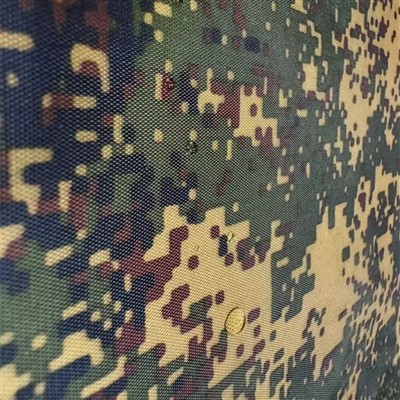
Let’s start by talking about what a vestibule is. A vestibule is like an extra room attached to your tent. It’s a covered area where you can store your muddy boots, wet gear, or even cook in bad weather. But not all tents have them. Some people prefer a more minimalist setup, or they’re using a smaller tent for a quick solo trip. So, when you don’t have that extra space, the fabric of your tent becomes even more crucial.
Nylon: The Classic Choice
Nylon is probably the most common tent fabric out there, and for good reason. It’s lightweight, durable, and relatively affordable. There are two main types of nylon used in tents: nylon taffeta and ripstop nylon.
Nylon taffeta is smooth and has a nice, shiny look. It’s great for keeping the weight down, which is a big plus if you’re backpacking. However, it’s not as strong as ripstop nylon. Ripstop nylon has a grid pattern woven into it, which helps prevent small tears from turning into big ones. This makes it much more resistant to abrasion and wear and tear.
One of the downsides of nylon is that it can absorb water. When it gets wet, it can become heavy and take a long time to dry. But most nylon tents are treated with a waterproof coating, like polyurethane (PU), to help repel water. The higher the PU coating, the more waterproof the tent will be. A good quality nylon tent with a high PU coating can keep you dry in light to moderate rain.
Polyester: The Durable Alternative
Polyester is another popular choice for tent fabric. It’s known for its strength and resistance to UV rays. Unlike nylon, polyester doesn’t absorb water as easily, so it dries faster and doesn’t get as heavy when wet.
There are different deniers of polyester fabric. A higher denier means a thicker and stronger fabric. For tents, a 68D or 75D polyester is commonly used. This fabric is tough enough to withstand the elements, but it’s still lightweight enough for backpacking.
Polyester is also more resistant to stretching than nylon. This means that your tent will keep its shape better over time. However, it can be a bit stiffer than nylon, which might affect the overall comfort of your tent.
Canvas: The Traditional Option
Canvas has been used for tents for centuries, and it still has its place in the modern camping world. It’s made from natural fibers, usually cotton, which gives it a classic look and feel.
Canvas is extremely durable and can last for many years with proper care. It’s also very breathable, which helps prevent condensation from building up inside the tent. This is a big advantage if you’re camping in humid conditions.
One of the drawbacks of canvas is its weight. It’s much heavier than nylon or polyester, so it’s not the best choice for backpacking. It also needs to be treated with a waterproofing agent, like wax, to make it water-resistant. And even with treatment, it might not be as waterproof as some synthetic fabrics.
Considerations for Tents Without a Vestibule
When choosing a fabric for a tent without a vestibule, there are a few things to keep in mind. First, you need to think about the weather conditions you’ll be camping in. If you’re going to be in a lot of rain, you’ll want a fabric that’s highly waterproof, like a well-coated nylon or polyester. If you’re camping in hot and humid weather, breathability becomes more important, so canvas might be a good option.
Another thing to consider is weight. If you’re backpacking, you’ll want to keep the weight of your tent as low as possible. Nylon and polyester are both great choices for lightweight tents.
Finally, you need to think about durability. Since you don’t have a vestibule to protect your gear from the elements, your tent fabric will be taking a lot more abuse. So, you’ll want a fabric that can withstand abrasion, tears, and UV rays. Ripstop nylon and polyester are both very durable options.
Our Tent Fabrics
As a tent fabric supplier, we offer a wide range of fabrics to suit different needs and budgets. Our nylon fabrics are available in different weights and coatings, so you can choose the one that’s right for your tent. We also have high-quality polyester fabrics that are strong, lightweight, and resistant to UV rays. And if you’re looking for a more traditional option, we offer canvas fabrics that are both durable and breathable.
Whether you’re a seasoned camper or a beginner, we can help you find the best tent fabric for your needs. Our team of experts is always available to answer your questions and provide advice. We can also offer samples of our fabrics, so you can see and feel the quality for yourself.
Get in Touch
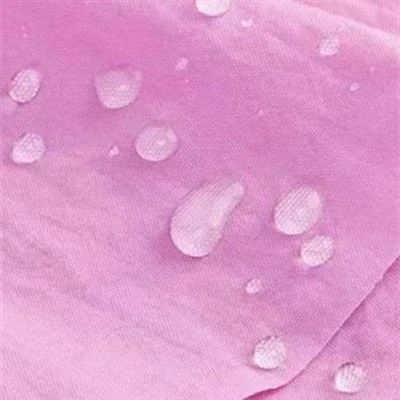
If you’re in the market for tent fabric for a tent without a vestibule, we’d love to hear from you. We’re committed to providing our customers with the best products and services at competitive prices. So, whether you’re a small DIY tent maker or a large tent manufacturer, we can work with you to meet your needs.
Poncho Fabric Don’t hesitate to reach out to us to discuss your requirements. We’re here to help you create the perfect tent for your next adventure.
References
- Solo Camping: Tips and Tricks. Outdoor Life Magazine.
- The Best Tent Fabrics for Backpacking. Backpacker’s World.
- A Guide to Canvas Tents. Camping Classics.
Wujiang Jiashunxin Spray Weaving Co., Ltd.
As one of the most professional tent fabric manufacturers and suppliers in China, we’re featured by quality products and good service. We warmly welcome you to wholesale bulk customized tent fabric from our factory. If you have any enquiry about free sample, please feel free to email us.
Address: Xingli New Village, Lili Town, Wujiang District, Suzhou City, Jiangsu Province
E-mail: xuzhiqiang20260525@163.com
WebSite: https://www.shunbangfabric.com/
