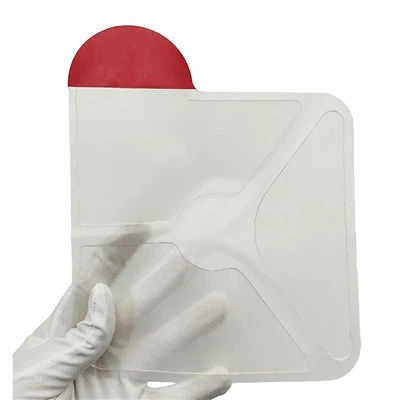
ECG (Electrocardiogram) electrode patches are essential components in the field of medical monitoring, playing a crucial role in recording the electrical activity of the heart. As a supplier of ECG electrode patches, I often receive inquiries from customers about how long these patches can be used. This question is not only important for ensuring the accuracy of medical data but also for optimizing the cost – effectiveness of using these products. In this blog, I will explore various factors that influence the usable duration of ECG electrode patches and provide some general guidelines. ECG Electrode Patches
Factors Affecting the Usable Duration of ECG Electrode Patches
1. Adhesive Quality
The adhesive on the electrode patch is responsible for keeping the patch firmly attached to the patient’s skin during the ECG recording. High – quality adhesives are designed to maintain their stickiness for an extended period. However, several factors can affect the adhesive’s performance. Skin moisture is one of the most significant factors. If the patient sweats a lot, the moisture can weaken the adhesive bond, causing the patch to loosen or even fall off.
For example, in a hot and humid environment, or during physical activity where the patient may perspire, the adhesive may not last as long as it would in a normal, dry environment. Different types of skin also react differently to adhesives. Some people have sensitive skin that may cause the adhesive to break down more quickly, leading to a shorter usable time for the patch.
Typically, modern ECG electrode patches with good – quality adhesives can stay attached for 24 – 48 hours on average for patients with normal skin conditions in a relatively stable environment. But for patients who are prone to sweating or have very sensitive skin, the adhesive may start to fail within 12 – 24 hours.
2. Conductive Gel Drying
The conductive gel on the electrode patch is what allows the electrical signals from the heart to be accurately transmitted to the ECG machine. Over time, the conductive gel can dry out, which will affect its ability to conduct electricity effectively.
The rate of gel drying depends on several factors. Exposure to air is a major one. If the electrode patch is not properly sealed or if there are gaps between the patch and the skin, air can enter and cause the gel to dry more quickly. Temperature and humidity also play important roles. In a hot and dry environment, the gel will dry out faster compared to a cooler and more humid environment.
When the conductive gel dries, the impedance between the electrode and the skin increases. This can lead to inaccurate ECG readings, such as distorted waveforms or increased noise in the signal. In general, if the patch is used under normal conditions, the conductive gel can maintain its functionality for about 24 hours. But in adverse conditions, such as high – temperature and low – humidity environments, the gel may dry out within 12 hours or even less.
3. Skin Irritation
Prolonged use of ECG electrode patches can cause skin irritation in some patients. The adhesive and the chemicals in the conductive gel can sometimes trigger an allergic reaction or cause mild irritation. When skin irritation occurs, it is necessary to remove the patch to prevent further discomfort.
The likelihood of skin irritation varies from person to person. Some patients may be more sensitive to the materials used in the patches. The duration of use also matters. The longer the patch is left on the skin, the higher the risk of irritation. In most cases, if a patient starts to experience redness, itching, or a burning sensation after 8 – 12 hours of patch application, the patch should be removed.
General Guidelines for Using ECG Electrode Patches
Based on the factors mentioned above, here are some general guidelines for the usable duration of ECG electrode patches:
-
Short – term Monitoring (less than 24 hours): For short – term ECG monitoring, such as during a routine doctor’s visit or a short – duration test in a hospital setting, the patches can usually be used for the entire duration of the test, which is typically a few hours. As long as the patch remains firmly attached and the ECG signals are clear, there is no need to replace the patch. However, if the patient complains of discomfort or if the signal quality deteriorates, the patch should be replaced.
-
Long – term Monitoring (24 – 48 hours): In cases of long – term Holter monitoring (usually 24 – 48 hours), the usable duration of the patches becomes more critical. Before applying the patches, it is important to clean the patient’s skin thoroughly to ensure good adhesion and reduce the risk of skin irritation. During the monitoring period, it is advisable to check the patches regularly, at least every 8 – 12 hours, to ensure they are still attached properly and the signals are clear. If the adhesive starts to loosen or the gel shows signs of drying, the patches should be replaced.
-
Extended Use (more than 48 hours): Extended use of ECG electrode patches is less common but may be required in some special cases. In such situations, it is even more important to pay attention to the patient’s skin condition and the quality of the ECG signals. The patches may need to be replaced more frequently, perhaps every 24 hours, to ensure accurate monitoring and minimize the risk of skin irritation.
Importance of Using High – Quality ECG Electrode Patches
Using high – quality ECG electrode patches is crucial for both accurate medical monitoring and patient comfort. High – quality patches are made with better adhesives that can withstand various environmental conditions and skin types, ensuring a longer attachment time. The conductive gel in these patches is formulated to resist drying for a more extended period, providing stable and accurate ECG signals.
Moreover, high – quality patches are often designed with materials that are less likely to cause skin irritation. This not only improves the patient’s experience but also allows for longer and more reliable monitoring. As a supplier, I am committed to providing ECG electrode patches of the highest quality, which have been rigorously tested to meet the strictest medical standards.
Conclusion

In conclusion, the usable duration of ECG electrode patches depends on multiple factors, including adhesive quality, conductive gel drying, and skin irritation. Generally, for normal use, the patches can be used for 24 – 48 hours, but this can vary significantly based on individual patient conditions and environmental factors.
Blank Medicated Adhesive Patches As a professional supplier of ECG electrode patches, I understand the importance of these products in medical applications. We strive to provide products that offer long – lasting performance, accurate signal transmission, and minimal skin irritation. If you are in the market for high – quality ECG electrode patches, whether for a hospital, a clinic, or any other medical facility, we would be delighted to discuss your specific requirements. Contact us to start your procurement negotiation today and ensure reliable and accurate ECG monitoring for your patients.
References
- Groenendaal, E. R., & Hermens, H. J. (2005). Guidelines for the use of surface electromyography in biomechanics. Journal of Electromyography and Kinesiology, 17(1), 135 – 142.
- Ciuti, G., Carrozza, M. C., & Dario, P. (2006). Biopotential electrodes: recent advances and future trends. Proceedings of the IEEE, 94(1), 155 – 170.
- Chan, J. C., & Ng, D. Y. (2012). A review of health monitoring systems and biosensors for wearables and implants. Proceedings of the IEEE, 100(8), 2445 – 2466.
Shenzhen Omori Biological Technology Co., Ltd.
We’re well-known as one of the leading ECG electrode patches manufacturers and suppliers in China. We warmly welcome you to wholesale high quality ECG electrode patches made in China here from our factory. If you have any enquiry about customized service, please feel free to email us.
Address: Floor4, No43, Langkou Industrial park, Dalang Street, Longhua District, Shenzhen City, Guangdong Province, China
E-mail: wya@omorimed.com
WebSite: https://www.omorimed.com/
