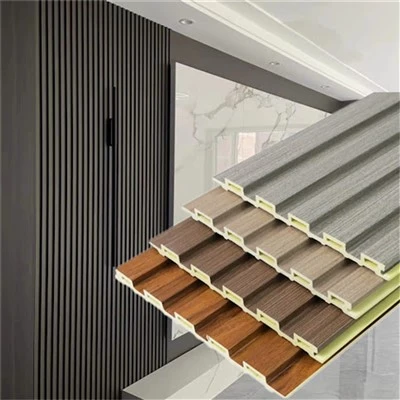
As a supplier of WPC (Wood – Plastic Composite) wall panels, I’ve witnessed the growing popularity of these products in the construction and interior design industries. WPC wall panels offer a unique blend of the natural beauty of wood and the durability of plastic. However, as the world becomes more environmentally conscious, it’s crucial to understand the environmental impact of these products. WPC Wall Panel
Raw Material Sourcing
WPC wall panels are made from a combination of wood fibers and thermoplastics. The wood fibers are typically sourced from recycled wood waste, such as sawdust, wood chips, or even post – consumer wood products. This is a significant environmental benefit as it reduces the demand for virgin timber. By using recycled wood, we are taking waste materials that would otherwise end up in landfills and giving them a new life.
On the other hand, the plastic component in WPC wall panels is usually derived from polyethylene, polypropylene, or polyvinyl chloride (PVC). These plastics can be sourced from recycled materials as well. Many suppliers, including ourselves, strive to use recycled plastics in our WPC products. Recycling plastics reduces the amount of plastic waste in the environment and conserves the energy required to produce new plastics. However, it’s important to note that the production of virgin plastics still has a significant environmental footprint. The extraction of fossil fuels, which are the raw materials for plastics, contributes to greenhouse gas emissions, habitat destruction, and water pollution.
Manufacturing Process
The manufacturing process of WPC wall panels involves several steps, including mixing the wood fibers and plastics, extruding the mixture into the desired shape, and then finishing the panels.
During the mixing stage, if proper precautions are not taken, there can be dust emissions from the wood fibers, which may pose a health risk to workers and also have a minor environmental impact if not properly contained. However, modern manufacturing facilities are equipped with advanced dust collection systems to minimize these emissions.
The extrusion process requires energy. The energy consumption varies depending on the scale of the production and the efficiency of the equipment. Using renewable energy sources in the manufacturing plants can significantly reduce the carbon footprint of WPC wall panel production. Some of our manufacturing facilities are already transitioning to use solar and wind energy, which not only helps the environment but also reduces our long – term energy costs.
Product Lifecycle
One of the key environmental advantages of WPC wall panels is their long lifespan. Compared to traditional wood wall panels, WPC panels are more resistant to rot, decay, and insect damage. This means that they don’t need to be replaced as frequently, reducing the overall demand for new building materials over time.
In addition, WPC wall panels are relatively easy to maintain. They can be cleaned with simple household cleaners, eliminating the need for harsh chemicals that can be harmful to the environment.
When it comes to the end – of – life stage, WPC wall panels can be recycled in some cases. Although the recycling process is more complex than that of single – material products, research is ongoing to develop more efficient recycling methods for WPCs. Currently, some recycled WPC products can be used in lower – grade applications, such as outdoor decking fillers or non – structural components.
Comparison with Other Wall Panel Materials
Let’s compare WPC wall panels with some other common wall panel materials in terms of environmental impact.
Traditional Wood Panels: As mentioned earlier, the production of traditional wood panels often requires the harvesting of virgin timber, which can lead to deforestation. Deforestation has a wide range of negative environmental impacts, including loss of biodiversity, soil erosion, and increased carbon dioxide levels in the atmosphere. In addition, wood panels are more susceptible to damage, which means they may need to be replaced more frequently, leading to higher resource consumption.
PVC Wall Panels: PVC is a widely used plastic in the construction industry. However, the production of PVC involves the use of chlorine, which is associated with the release of dioxins, a group of highly toxic chemicals. PVC also has poor recyclability compared to some other plastics and may release harmful substances when burned.
Gypsum Wall Panels: Gypsum is a natural mineral, but the mining and processing of gypsum can have significant environmental impacts, including soil erosion, water pollution, and habitat destruction. Gypsum panels are also relatively heavy, which increases transportation emissions.
Reducing the Environmental Impact
As a supplier of WPC wall panels, we are committed to reducing the environmental impact of our products. We continuously strive to increase the percentage of recycled materials in our WPC panels. By working with our suppliers to source more recycled wood fibers and plastics, we can further reduce the demand for virgin resources.
We also invest in research and development to improve the manufacturing process. This includes developing more energy – efficient extrusion equipment and optimizing the production parameters to reduce waste.
In addition, we are actively involved in promoting the recycling of WPC wall panels at the end of their life cycle. We collaborate with recycling facilities to develop better recycling methods and encourage our customers to recycle our products.
Conclusion
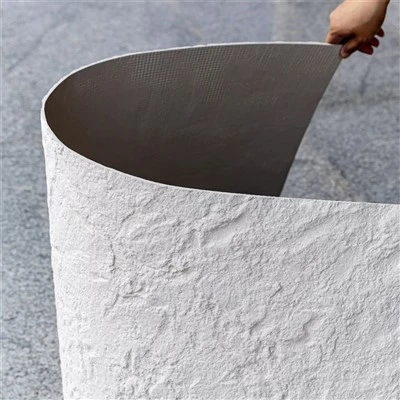
WPC wall panels have a relatively low environmental impact compared to many other wall panel materials. The use of recycled materials in their production, long lifespan, and potential for recycling make them an environmentally friendly choice for construction and interior design. However, there is still room for improvement. As a supplier, we are dedicated to further reducing the environmental footprint of our products through continuous innovation and sustainable practices.
Other Wall Panels If you are interested in our WPC wall panels and want to learn more about their environmental benefits or discuss a potential purchase, we would be delighted to have a conversation with you. Whether you are an architect looking for sustainable building materials for a project or a homeowner wanting to upgrade your interior, our team is ready to provide you with high – quality products and professional advice. Reach out to us to start the conversation today.
References
- "Wood – Plastic Composites: Materials, Processing, and Products" by George W. Beall and J. Y. Zhu
- "Environmental Impact of Construction Materials" by John A. Vanegas and John K. Vanegas
- "Recycling and Reuse of Wood – Plastic Composites" in Journal of Composite Materials
Shandong Dowell Decorative Material Co., Ltd.
With abundant experience, we are one of the most professional WPC wall panel manufacturers and suppliers in China. We warmly welcome you to wholesale premium WPC wall panel at competitive price from our factory. If you have any enquiry about cooperation, please feel free to email us.
Address: Room 913, 9th Floor, International Trade Service Center, No. 100 Lingong Road, Comprehensive Bonded Zone, Chaoyang Street, Yihe New District, Linyi City, Shandong PR, China
E-mail: info@dowellpanel.com
WebSite: https://www.dowellspcfloor.com/
