Transporting a pipe induction heating production line is a complex and delicate process that demands meticulous planning and execution. As a supplier of pipe induction heating production lines, I have witnessed firsthand the challenges and potential pitfalls that can arise during transportation. In this blog post, I will share some essential precautions that should be taken to ensure the safe and successful delivery of these valuable and sensitive pieces of equipment. Pipe Induction Heating Production Line

Pre – transport Precautions
1. Thorough Inspection
Before any transportation takes place, a comprehensive inspection of the pipe induction heating production line is crucial. This includes checking the mechanical components, electrical systems, control panels, and any other parts of the equipment. Look for signs of damage, loose connections, or wear and tear. Any issues found should be addressed immediately to prevent further problems during transit. For example, loose bolts can cause vibrations that may lead to more significant damage over time.
2. Documentation
Gather all the necessary documentation related to the production line. This includes the user manual, installation guide, warranty information, and any certificates of compliance. Having these documents readily available not only helps in the smooth handling of the equipment but also provides important information to the transportation team and the end – user. In case of any customs or regulatory requirements, proper documentation is essential to avoid delays.
3. Disassembly and Packaging
Depending on the size and complexity of the pipe induction heating production line, it may be necessary to disassemble some parts for easier transportation. However, this should be done carefully, following the manufacturer’s guidelines. Each disassembled part should be labeled clearly to ensure easy reassembly at the destination.
Proper packaging is also vital. Use high – quality materials such as wooden crates, foam padding, and anti – static bags to protect the components from physical damage, moisture, and electrostatic discharge. For sensitive electronic components, special packaging that shields them from electromagnetic interference may be required.
4. Transportation Planning
Select a reliable transportation company with experience in handling heavy and delicate industrial equipment. Check their reputation, safety record, and the type of transport vehicles they use. The mode of transportation (truck, rail, or shipping container) should be chosen based on the distance, the nature of the equipment, and the budget.
Create a detailed transportation plan that includes the route, estimated time of arrival, and any necessary stops. Consider factors such as road conditions, weather, and potential traffic congestion. A well – planned route can minimize the risk of delays and ensure the safety of the equipment.
During Transport Precautions
1. Monitoring
Install tracking devices on the transportation vehicle to monitor the location and movement of the pipe induction heating production line in real – time. This allows you to keep an eye on the progress of the delivery and be alerted in case of any unexpected deviations from the planned route. Additionally, some advanced tracking systems can also provide information about the vehicle’s speed, acceleration, and any sudden shocks or vibrations that the equipment may be subjected to.
2. Security
Ensure that the transportation vehicle is properly secured. The production line should be firmly fastened inside the vehicle to prevent it from shifting during transit. Use straps, chains, or other securing devices to hold the equipment in place. If possible, choose a vehicle with a locked and enclosed cargo area to protect the equipment from theft and vandalism.
3. Weather Protection
Be prepared for adverse weather conditions. If the transportation is taking place during a rainy or snowy season, ensure that the vehicle has proper weather – proof covers. Moisture can cause corrosion and damage to the electrical and mechanical components of the production line. In extremely hot or cold weather, special considerations may be needed to protect sensitive parts from temperature – related damage.
Post – transport Precautions
1. Unloading and Inspection
Upon arrival at the destination, unload the pipe induction heating production line carefully. Follow the reverse of the disassembly process, referring to the labels on the parts. Conduct another thorough inspection of the equipment to check for any signs of damage that may have occurred during transport. Even minor damage should be documented and reported to the transportation company and the relevant insurance provider if necessary.
2. Reassembly and Testing
Reassemble the production line according to the manufacturer’s instructions. This is a critical step that should be carried out by trained technicians. Once the reassembly is complete, conduct a comprehensive testing of the equipment to ensure that it is functioning properly. Check all the mechanical movements, electrical connections, and control systems. Any issues found during testing should be addressed immediately.
3. Training and Support
Provide training to the end – user on how to operate and maintain the pipe induction heating production line. This includes explaining the safety procedures, basic troubleshooting techniques, and routine maintenance requirements. Offer ongoing technical support to ensure that the end – user can make the most of the equipment and address any problems that may arise in the future.
In conclusion, transporting a pipe induction heating production line requires a high level of attention to detail and careful planning at every stage. By taking these precautions, you can minimize the risk of damage and ensure that the equipment reaches its destination in optimal condition.
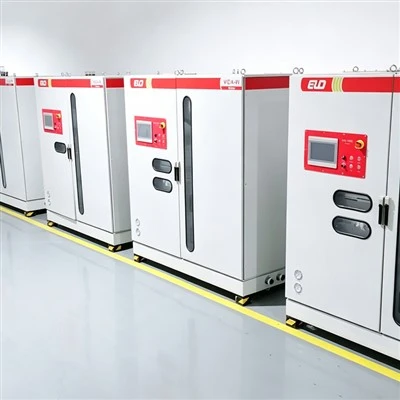
If you are in the market for a high – quality pipe induction heating production line or have any questions about transportation and installation, I invite you to reach out to discuss your requirements. We are committed to providing you with the best solutions and ensuring a smooth and successful procurement process.
Steel Plate Induction Heating Production Line References
- "Industrial Equipment Transportation Handbook"
- Manufacturer’s manuals for pipe induction heating production lines
- Industry reports on transportation safety and best practices for heavy equipment
Hebei Yuantuo Electromechanical Equipment Manufacturing Co., Ltd.
As one of the most professional manufacturers and suppliers of pipe induction heating production line in China, our products have good reputation in the market. Please rest assured to buy advanced equipment made in China here and get quotation from our factory. Customized orders are welcome.
Address: Yanshan Street West and Jialingjiang Road North, Economic and Technological Development Zone, Wuqiao County, Cangzhou City, Hebei Province, China
E-mail: yuantuotech01@gmail.com
WebSite: https://www.yuantuoem.com/
