If you’re reading this, chances are you’re dealing with steel strip processing machinery that’s running slow, breaking down more often than it should, or leaving you with extra scrap that eats into your profits. As someone who’s spent over a decade selling, fixing, and tweaking these machines— I’ve worked with everything from tiny local metal fab shops to big steel mills pumping out thousands of tons a month— I know this pain point all too well. No matter what size operation you’re running, efficiency isn’t just a buzzword here. It’s how you keep up with deadlines, beat competitors, and actually make money. Let’s cut the corporate jargon and get into real, actionable stuff that’s worked for my clients time and time again. Steel Strip Processing Machinery
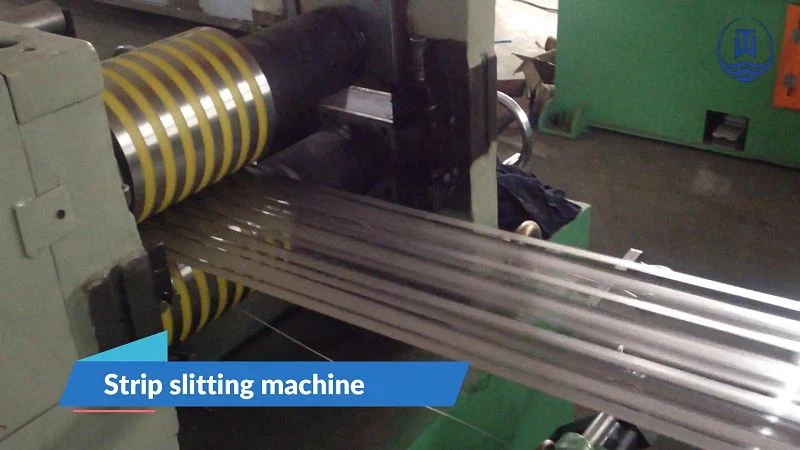
First off, let’s talk about something most people skip: regular, actual maintenance— not the “we’ll fix it when it breaks” kind. I see it all the time. A guy will call me because his slitter machine is skipping blades, and when I show up, half the rollers are caked with old scale, the tension sensors haven’t been calibrated in six months, and the gearbox is low on oil. Don’t get me wrong, breakdowns happen, but 80% of the time, they’re preventable with a simple, consistent check-in routine. What does that routine actually look like? For most standard steel strip processors, it’s 15 minutes at the start of every shift to wipe down contact parts (rollers, guides, blade holders), check for loose bolts, and take 2 minutes to test the tension control. Once a week, you should calibrate any sensors— tension, speed, alignment— because those little gadgets drift over time and make the whole machine work harder than it needs to. And every month? Pull off the covers, check the oil in the gearboxes and motors, and replace any worn seals before they start leaking steel dust everywhere. Here’s a quick hack I tell every new client: keep a small notebook taped to the control panel. Jot down what you checked each day, if there were any weird noises or speed drops, and when you replaced parts. After 3 months, you’ll see patterns— like, your blades always go dull 6 weeks after switching to higher-grade steel— and you can schedule replacements proactively instead of panicking when a batch goes wrong. Trust me, skipping this step is like driving a car with a dirty air filter: it doesn’t cause a crash right away, but your gas mileage (or machine efficiency) will suck for no good reason.
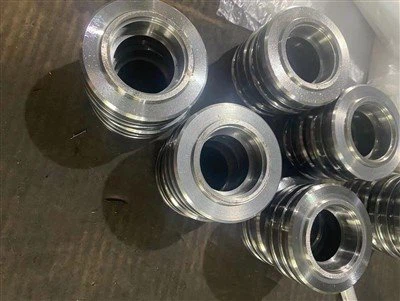
Next up, upgrading your tooling and parts— not just buying whatever’s cheapest. I know, I know, everyone wants to save a buck, but cutting corners here costs way more in the long run. Let’s talk about blades first, since that’s the most common wear part. A lot of guys will buy generic steel blades because they’re $20 cheaper, but those blades dull in half the time, leave burrs on every strip, and can even cause the machine to vibrate so bad that other parts wear out faster. My go-to recommendation for most clients is high-speed steel (HSS) or even carbide-tipped blades, depending on what you’re processing. For soft steel strips, HSS works great, lasts 3x longer, and cuts cleaner. For thicker, harder steel, carbide is non-negotiable— it’s more expensive upfront, but it doesn’t dull for 10x as long, and you get way less scrap from burrs. The same logic applies to rollers and guides. If your guides are worn down from years of steel abrasion, they’ll pull the strip out of alignment, which makes the machine have to correct itself constantly, slowing down production and wasting material. Last year, I had a client who was running 12 hours a day, shifting 18-gauge steel, and wasting 800 lbs of scrap a month. We swapped out his worn steel guides for precision-ground polymer guides (they’re self-lubricating, too) and cut his scrap down to 150 lbs a month. That’s $2,000+ a month in his pocket, just from swapping out guides he thought were “fine.” Oh, and one more thing: don’t ignore small parts like belt drives or couplings. If your V-belts are cracked or stretched, they slip, so your motor works harder to keep the machine at the right speed— and if one breaks mid-run, you’re looking at hours of downtime. I suggest replacing belts every 6 months, even if they look okay. It’s $50 for a set, vs. a $500 service call and $2,000 in lost production if they snap.
Then there’s the stuff around machine setup and operation— this is where I see the most untapped potential, because a lot of operators just “do the same thing every day” without questioning it. Let’s start with speed and tension settings. Every steel strip is different, right? A thin, cold-rolled strip from a new coil isn’t the same as a thick, hot-rolled strip from a reused coil. But I swear, half the operators I work with use the same speed and tension settings for every job. That’s a mistake. If you set tension too high on a thin strip, you stretch it and it warps, ruining the whole batch. Too low, and the strip slips, causing misalignment and scrap. Same with speed: running a thin strip at full speed sounds efficient, but if it’s vibrating, you’ll get inconsistent cuts, and you have to stop every 10 minutes to fix it. Last year, I trained a team of operators at a mid-sized steel processor, and in one week, they adjusted their settings for each individual coil, cutting their cycle time per batch by 12% and scrap by 10%— without buying a single new part. Another big one: batch size and job sequencing. If you have 5 different jobs to run, don’t jump from a tiny coil of 18-gauge to a huge coil of 10-gauge back to the tiny one. Every time you switch job sizes, you have to re-calibrate the machine, change blades, adjust guides— that takes 30 minutes to an hour per switch. If you group all the same gauge jobs together, you cut down on setup time by at least half. And here’s a pro tip: if you have leftover small coils, run them all at the same time as a “side batch” when you’re setting up for a big job. You don’t have to run them separately, so you don’t waste that setup time. I’ve had clients turn 20 hours a week of production into 17 hours just by rearranging job order— no overtime, no extra machines.
Now, let’s talk about automation and controls, but I’m not talking about replacing your whole machine and dropping six figures. Most older machines can be upgraded with modern control systems for a fraction of the cost of a new one. For example, if your machine has an old, analog dial control, swapping it out for a digital PLC (programmable logic controller) control system lets you store settings for every job in one place. So instead of an operator fiddling with dials for 15 minutes to set speed, tension, and alignment for a new coil, they just pull up the preset on the screen and hit start. That cuts setup time drastically, and it also eliminates human error— no more off settings that cause scrap. Even smaller upgrades like adding automated sensors for alignment or tension can make a huge difference. A client of mine had a 20-year-old slitter that was always getting the strip off-center, leading to 5% scrap on every job. We added a simple optical alignment sensor for $1,200, and now the machine adjusts the strip in real time, so scrap is down to 1% and cycle time is up 8% because the machine never has to stop to re-align. Now, I know some guys are nervous about upgrading, thinking it’s too complicated or it will take their machine down for weeks. But 9 times out of 10, these upgrades are plug-and-play, and a good tech like me can have them installed in a day, with training for the operators on how to use them. No need for a full machine overhaul unless you’re running extremely specialized, high-volume jobs.
Wait, let’s not forget about environment and material handling around the machine. This is a tiny detail that makes a big difference. Steel strip gets heavy— no surprise there. If the coils are being loaded onto the machine with a forklift and they’re misaligned, the machine has to pull them into place, which puts extra strain on the motors and rollers, slows down production, and wears parts faster. I always suggest having a simple coil cradle or lift table that lets you line the coil up perfectly with the machine’s entrance before loading. No more fighting the coil to get it straight, no more extra stress on the machine parts. Also, keep the work area clean. Steel dust and scale get everywhere, and if they get into the motor or gearbox, they act like sandpaper, wearing out parts way faster. A 5-minute sweep at the end of each shift keeps dust out of the machine, so it runs smoother and lasts longer. I had a client who was replacing his main motor every 2 years because of dust buildup; after we installed a simple air filtration system in the machine’s enclosure and had him do a quick sweep each day, his motor is still running strong after 4 years. That’s a huge cost savings right there.
Now, let’s address the elephant in the room: what if your machine is really old, and all these small upgrades aren’t enough? Don’t rush to buy a new machine just yet. Sometimes a simple reconditioning is all you need. I’ve had a lot of clients with 10+ year old machines that were running at 50% efficiency, and after reconditioning the gearboxes, replacing worn rollers and blades, and upgrading the controls, they’re now running at 90% efficiency for a fraction of the cost of a new machine. A new steel strip processing machine can cost $100k or more, while a full reconditioning is usually 1/3 to 1/2 that price, and it’s done in a week instead of waiting months for a new machine to ship. I always tell guys to get a professional assessment first— don’t just take my word for it, but don’t go signing a new machine contract before you’ve checked out your current equipment’s potential.
At the end of the day, improving efficiency with steel strip processing machinery isn’t about one big, flashy upgrade. It’s about the small, consistent things: taking 15 minutes a day to check your machine, using the right parts for the job, tweaking settings for each coil, and rearranging your workflow to cut down on setup time. I’ve seen so many small fab shops boost their profits by 20-30% just by making these changes, without adding any new staff or working longer hours. If you’re dealing with slow machines, high scrap, or unexpected downtime, don’t waste money on things that don’t move the needle. Start with the basics: a maintenance routine, checking your tooling, and optimizing your setup. If you’re not sure where to start, or you want to talk through specific upgrades for your machine, feel free to reach out. We work with all kinds of steel strip processors, from small local shops to large mills, and we can help you figure out exactly what will work for your operation.
Welding Wire Auxiliary Equipment Reference: MetalForming Magazine, “Maintenance and Efficiency in Steel Strip Processing Equipment,” 2022; American Iron and Steel Institute, “Best Practices for Steel Strip Processing Machinery Optimization,” 2021; Industrial Machinery Digest, “Cost-Effective Upgrades for Older Processing Lines,” 2023.
Three Water Machinery Co., Ltd.
Three Water Machinery Co., Ltd. is one of the most reliable manufacturers and suppliers of steel strip processing machinery in China. With abundant experience, we warmly welcome you to buy advanced equipment for sale here and get quotation from our factory. Contact us for more details.
Address: No.15, Jiaye Road, Liuanzhuang Industrial Park, Beichen District, Tianjin, China
E-mail: sales@eqet.com
WebSite: https://www.eqet.com/
