When I first started working as an LED downlight supplier six years ago, I heard the same question over and over from electricians, contractors, and DIY homeowners: “Do LED downlights need special wiring?” At the time, I was still learning the ins and outs of our products, and I’d give a vague answer about low voltage being different than old incandescents. Now, after helping hundreds of clients wire thousands of downlights, I can tell you this isn’t a yes or no question. It’s a layered answer that ties into how LEDs work, what wiring is already in your space, and local electrical codes. Let’s break this down like I do when I’m walking a new installer through a project over coffee. LED Downlight
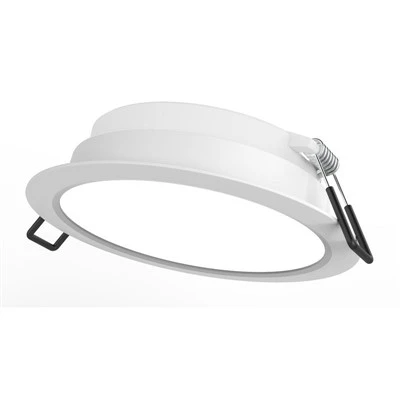
First, let’s get the basics straight. Most traditional recessed lighting—those round cans in ceilings that held incandescent or halogen bulbs—runs on standard 120-volt AC wiring, the same kind that powers your outlets and most fixtures in North America. LED downlights, the ones that replace those old bulbs or those can fixtures, don’t inherently need different voltage. Wait, so why do some suppliers and electricians act like the wiring is special? That confusion starts with two big factors: dimming compatibility and heat management.
Let’s talk dimming because that’s the biggest headache I see. Old incandescent dimmers worked by cutting off part of the AC wave, and they worked well because incandescents are resistive loads—they don’t care if the power gets chopped. LEDs, on the other hand, are electronic loads. Every LED downlight has a tiny driver inside (that’s the boxy component that converts 120-volt AC to low-voltage DC the LED chip needs) and most of them are designed to work only with specific dimmer types. If you plug an LED into an old incandescent dimmer, two things can happen: either the light flickers wildly, or the dimmer overheats and stops working, or worst case, it shorts out. That’s not the wiring being “special”—that’s the dimmer being mismatched to the LED load. I always tell clients: if you’re adding new wiring for LEDs, you don’t need a whole new circuit. But you do need to make sure whatever dimmer you use is rated for LED loads. A lot of new clients come to me saying their electrician told them they had to rewire the entire house for LEDs, and 9 times out of 10, all they needed was new LED-rated dimmers.
Now, what about existing wiring? If you’re replacing old incandescent downlights with new LEDs, most of the time the existing 120-volt wiring works perfectly—no special changes needed. There is one exception here, and it’s tied to the age of your wiring. Homes built before the mid-1990s often have knob-and-tube wiring or older aluminum wiring. Aluminum wiring has a higher resistance than copper, and if it’s not properly terminated (meaning the connections are tightened correctly and treated with anti-oxidant paste), it can heat up. Older incandescents only drew 60 watts each, so aluminum wiring could handle that. New LEDs draw 8 to 12 watts each, so that’s way less load, which means it’s still safe. The only time I see a problem is if the aluminum wiring is damaged or has loose connections—not because it’s for LEDs, but because it’s old. I always recommend having a licensed electrician inspect old wiring regardless of what fixture you’re installing, not just LEDs. That’s just good practice, not a requirement specific to LEDs.
Here’s where it gets a little more nuanced: if you’re installing new downlights in a space that never had recessed lighting before, like a finished basement or an addition, then you have to follow standard electrical code rules, but those aren’t LED-specific. You need 120-volt wiring sized correctly for the number of lights on the circuit, you need proper junction boxes (can airtight IC-rated boxes if they’re going in insulated ceilings), and you need to leave enough slack for connections. The only “special” thing here is making sure the junction box is compatible with LED downlights if it’s in an insulated ceiling. Wait—those are called IC-rated fixtures, right? Some people call them IC-rated downlights, and you have to use those if the light is going into a ceiling with insulation touching it. But again, that’s a fire safety requirement for recessed lights in insulated ceilings, not a rule unique to LEDs. Old incandescent recessed lights also needed IC-rated fixtures in insulated ceilings.
I get a lot of questions about low-voltage LED downlights too, especially for outdoor use or landscape areas. Those do run on 12 or 24 volts, and yes, those need low-voltage wiring, which is different from standard 120-volt. The difference is that low-voltage wiring is thicker, it’s rated for the lower voltage, and you need a transformer to step down the 120-volt house power to low voltage. That’s not the same as “special wiring”—that’s just wiring matched to the voltage of the fixture. If you bought a low-voltage LED downlight, you wouldn’t plug it directly into a wall outlet, right? That’s obvious, but I’ve seen a few clients try that and smoke a fixture, so it’s worth mentioning. Most of our downlight lines are split between 120-volt for indoor general use and low-voltage for outdoor or specialty areas, so we always make sure to label the wiring requirements clearly in our product specs.
Another common myth: some people think LEDs need dedicated wiring. That’s not true. A standard 15-amp circuit can handle about 1800 watts total, and each LED downlight is 10 watts max, so you could put 180 of them on a single circuit. In real life, you’d never do that, but it proves how little power they draw. The only time a dedicated circuit might make sense is if you have a lot of high-end dimmable LEDs, or if you’re installing them in a commercial space with sensitive electronics nearby, but that’s a preference for performance, not a safety requirement. I had a contractor last year who put 20 LED downlights on a regular kitchen circuit, and they worked fine. No issues at all.
Let’s talk about common mistakes that make people think LEDs need special wiring. First, buying cheap LED bulbs or fixtures that have bad drivers. A lot of off-brand LEDs have drivers that are not properly calibrated, so they draw inconsistent power, which can cause flickering even with an LED dimmer. That’s not the wiring’s fault—that’s the product’s fault. When I work with electricians, I always recommend our in-house tested drivers because we’ve seen the difference. Second, not updating the dimmer when you switch to LEDs. I once had a homeowner call me panicking because their new downlights kept flickering, and it turned out they used the old dimmer they had from the 1990s for their incandescents. Swapping that for a $15 LED-rated dimmer fixed the problem instantly. Third, not checking local electrical codes. Some cities have specific rules about recessed lighting, but those are about fixture ratings, not wiring type. For example, in California, all new recessed lights must be IC-rated or airtight, but that’s been the rule for incandescents too for decades.
Wait, what about wiring for smart LED downlights? That’s a whole subset of questions now, since smart home integration is huge. Smart LEDs connect to Wi-Fi or Bluetooth, but they still run on 120-volt wiring—no special wiring needed. All they need is a way to connect to your network, which is done either through the dimmer or a small hub that plugs into an outlet. I get asked all the time if you need to run Ethernet for smart LEDs, and the answer is no, unless you have a super large commercial space. For residential use, standard 120-volt wiring is more than enough. The only thing to note here is that if you’re installing new wiring for smart downlights, you might want to plan for where the hub or control panel will go, but that’s just good planning, not special wiring.
Let’s clear up one more thing: what about if you’re converting a traditional recessed can to an LED? You don’t need to rewire the can at all, as long as the can is in good condition. Old cans that are rusted or damaged should be replaced, but that’s not a wiring issue. I’ve installed our retrofit LED downlights in 10-year-old incandescent cans with zero wiring changes. The retrofit kit just fits into the existing can, connects to the existing wiring, and works. That’s one of the biggest benefits of LED downlights over other types—they work with most existing wiring.
Now, I want to be honest here. There is one scenario where you might need to adjust wiring, not because it’s special for LEDs, but because it’s old or damaged. If your home has wiring that doesn’t meet current code, that’s a problem regardless of the fixture. For example, if you have a circuit with too many lights on it, that’s a fire hazard whether you’re using incandescents or LEDs. But LEDs draw way less power, so the existing circuit is almost always safe. I always tell clients to do a quick circuit check: turn off all the lights and appliances on a circuit, plug in a space heater, and see if the circuit trips. If it doesn’t, it’s fine. If it does, then you need to upgrade the circuit, not because of LEDs, but because it’s overloaded. That’s a safety step, not an LED requirement.
As a supplier, I’ve seen people get scared off by the “special wiring” myth, and that’s what makes me want to write about this. Too many electricians or handymen will tell you you need to rewire your entire house to switch to LEDs, but that’s rarely true. The only time you need special wiring is if you’re switching from low-voltage to 120-volt or vice versa, or if you’re installing lights in a new area where wiring never existed. For 90% of the projects I work on, the existing wiring is perfect for LED downlights—you just need to make sure the dimmer matches, and the fixtures are rated for the space.
I’ll end with a quick story from last month. A small café owner came to me because their electrician told them they had to rewire all their ceiling lights to switch to LEDs. The café had been open for 15 years, with old incandescent recessed lights. I brought one of our electrician partners to check the wiring, and we found that all the wiring was standard 14-gauge copper, perfect for the new LEDs. The only problem was the dimmers—they were all old incandescent dimmers. We swapped the dimmers for LED-rated ones, installed our commercial LED downlights, and the owner saved 70% on their lighting bill that month. He still asks me why his first electrician made it sound so complicated, and I tell him it’s all about spreading the myth that LEDs need special wiring.
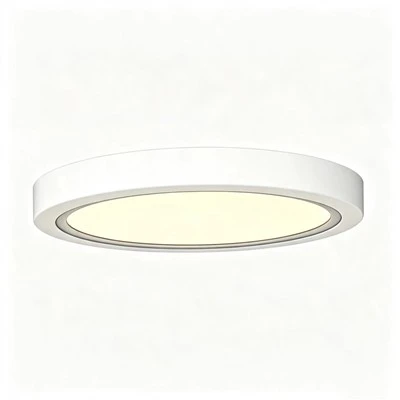
If you’re planning to install LED downlights, the first step is to check what wiring you already have. If you’re replacing old incandescents, the wiring is almost certainly fine—just make sure your dimmers are LED-compatible. If you’re adding new lights, follow standard electrical code rules for recessed lighting, which apply to all fixtures, not just LEDs. If you have old aluminum or knob-and-tube wiring, get it inspected by a licensed electrician to make sure it’s safe, but don’t assume that means you need to rewire for LEDs.
LED Ceiling Light If you’re ready to source LED downlights for your next project, or have more questions about wiring and compatibility, I’m here to help. Whether you’re a homeowner doing a quick retrofit, a contractor working on a new build, or a business owner looking to upgrade your space, we can walk you through every step to make sure your installation goes smoothly. Don’t let the myth of “special wiring” hold you back from the energy savings and longer lifespan that LEDs offer.
References
- National Electrical Code (NEC), Article 410 – Luminaires, Lampholders, and Lamps
- Department of Energy (DOE) Lighting Facts: LED Fixture Installation Guidelines
- Underwriters Laboratories (UL) 1598 – Standard for Luminaires, Recessed Lighting Fixture Requirements
Debesen (Shanghai) Optoelectronics Technology Co., Ltd.
We are one of the most professional led downlight manufacturers and suppliers in China, featured by quality products and good service. Please rest assured to wholesale advanced led downlight in stock here and get quotation from our factory. We also accept customized orders.
Address: No.258 Xiucheng Road, Fengcheng Town Economic Development Zone, Fengxian District, Shanghai
E-mail: Debesen258wendy@163.com
WebSite: https://www.debesen.com/
