Hey everyone, if you’re in the market for cutting machines—whether you’re a small woodworking shop owner, a fabric manufacturer, or someone just trying to wrap your head around how long these workhorses actually last—you’ve probably Googled “cutting machine lifespan” a hundred times and gotten a million vague answers. As a cutting machine supplier, I talk to folks like you every single day, and the number one question after “how much does this cost?” is always some version of “when will I have to replace this thing?” So let’s cut through the crap (pun intended) and get real about it—no jargon, no sales fluff, just the straight scoop on how long these bad boys actually stick around. Cutting Machine

First off, let’s stop pretending all cutting machines are the same. I once had a customer come at me last month saying his old table saw crapped out after two years, and he thought every machine should last a decade. Except he used it 12 hours a day, 6 days a week, cutting pressure-treated pine that’s full of nails and grit—total abuse. Another guy, a custom furniture maker, uses his band saw 4 hours a day, only on clean hardwood, and it’s still going strong after 18 years. That’s the big secret right there: lifespan isn’t a one-size-fits-all number. It depends on three main things—how you use it, how you take care of it, and what kind of machine you actually bought. Let’s break that down, because that’s where most people get tripped up.
First, the actual type of cutting machine. Not all of them are built the same. Let’s go through the most common ones I sell, and give you a realistic baseline, not some fairy tale. For example, portable circular saws—you know, the ones you haul to job sites. Those are built for occasional use, right? If you’re a contractor who uses it every weekend to do small deck repairs, that sucker could last 5 years easy. But if you’re a framer who uses it 8 hours a day, 5 days a week, you’re looking at 2 to 3 years max. Heavy-duty table saws, the kind we sell for production shops? Those are built for more work. Light production models, good for small businesses that run 8 hours a day, 5 days a week, usually last 10 to 15 years—if you take care of them. But if you have a CNC cutting machine, which is a whole different beast? Those are investment-grade. A decent mid-range CNC plasma or laser cutter, for fabric or metal, if you maintain it properly, can hit 20 years. I’ve seen some in old print shops that are 25 years old and still running, though they might need part swaps every few years. So right off the bat, the machine’s intended purpose is non-negotiable. Don’t expect a portable consumer saw to hold up like an industrial-grade one.
Next up: use intensity. This is the big variable that most people overlook. We call it “duty cycle” in the biz, but I’ll translate that for you. Duty cycle is how long a machine can run continuously before it needs a break. A small consumer chop saw might have a 20% duty cycle—meaning if you run it for 1 minute, it needs to sit for 4 to cool down. So if you push that to 100% all day, it’s going to burn out fast. Industrial cutting machines, on the other hand, have 100% duty cycle built in. They’re made to run 24/7 if you need them. So a guy running an industrial leather cutter in a big apparel factory, 16 hours a day, 6 days a week, that machine’s lifespan isn’t going to be as long as the same model in a small boutique that runs it 4 hours a day, once a week. I had a customer last year who bought a heavy-duty fabric cutting table for a startup. They only used it to cut sample batches, maybe 50 hours a month, and it’s still working perfectly after 7 years. Another customer, a mass production textile company, bought the exact same model, ran it 120 hours a week, and had to replace the motor after 8 years. Same machine, totally different use. That’s why numbers can vary so much—you can’t talk lifespan without talking how hard you’re running it.
Then there’s maintenance. This is where 90% of people shoot themselves in the foot. I see it every day. A customer will buy a $10k cutting machine, then skip the monthly oil changes, ignore the blade alignment, and wonder why it dies after 2 years. Maintenance isn’t a hassle—it’s what keeps these things alive. Let’s be real: cutting machines have moving parts. Bearings, belts, motors, blades—all of that wears out. If you lubricate the bearings every month, tighten the belts when they slip, sharpen or replace blades on schedule, and clean out the sawdust or metal shavings that get everywhere, your machine will last way longer. I had an old customer who’s been in business for 30 years—he still uses a table saw he bought from me in 2008. He swears by the routine: every Monday, he spends 15 minutes cleaning the saw, tightening all the bolts, and checking the blade alignment. He does it without fail, no matter how busy he is. That saw is still his workhorse, and he’s had three other customers with the exact same model that crapped out in 5 years because they skipped maintenance. It’s like a car—you can drive it hard, but if you never change the oil or rotate the tires, it’s going to die early.
Now, what about common problems that cut lifespan short, even if you do everything right? Let’s talk about the stuff that’s out of your control, a little bit. First, environment. If you’re running a cutting machine in a dusty workshop with no ventilation, all that dust gets into the motor and the gears, causes friction, makes parts wear out faster. If you’re cutting wet or sticky material—like very thick glue-soaked fabric or pressure-treated wood with chemical coatings—that can build up on blades and gears, cause corrosion, break down parts. Then there’s overloading. A lot of guys will try to cut material way thicker than their machine is rated for. Like, using a 1-horsepower saw to cut 4-inch hardwood when it’s only rated for 2 inches. That strains the motor, burns out the windings in a few months. I see that all the time from new business owners who want to save a buck on a smaller machine, then push it beyond its limits. And don’t forget about accidental damage—dropping a blade, banging the machine with a tool, not locking it in place when moving it. Stuff happens, even with good maintenance. But those are avoidable mistakes.
Wait, let’s also address the myth that you have to replace a cutting machine when it breaks. A lot of people think “if it’s not working, buy a new one.” But most of the time, you can replace parts to extend lifespan way beyond what you thought. Motors, blades, bearings, belts—all of these are replaceable. A friend of mine has a 22-year-old CNC router. The control board went out a few years ago. Instead of buying a new CNC, he paid $500 for a refurbished control board and another $200 for a new spindle, and now it’s working like new, for a fraction of the cost of a new machine. The frame and the rails on that machine are still perfect, because they don’t take the same kind of wear. So lifespan isn’t just how long the whole machine lasts—it’s how long the core parts last, and how many swaps you can do to keep it going.
Now, let’s get to the practical stuff for you, because I know you’re thinking “what does this mean for my situation?” If you’re a small business owner, a hobbyist, or a new manufacturer, here’s what I’d recommend. First, be honest with yourself about how you’re going to use the machine. If you’re a hobbyist who uses it once a week for small projects, a mid-grade consumer model might last you 10 years, no problem. If you’re a small business that runs 8 hours a day, industrial mid-range is your sweet spot, and with maintenance, you’ll get 10 to 15 years. If you’re production level, running 12+ hours a day, go for the heavy industrial line, and expect 8 to 12 years, but with regular part swaps, you can stretch that more. And never skimp on maintenance. I send every customer a free maintenance checklist when they buy a machine from me, and I even offer a quarterly tune-up service for a small fee. It’s saved so many of my customers from having to replace a machine early.
Let me throw in some real examples from my own customer base to make this concrete. Last year, I had a customer who owns a custom sign shop. He bought a 14-inch industrial band saw from me in 2011, right when he opened his shop. He runs it 6 hours a day, 5 days a week, cuts acrylic, wood, and thin metal. He does the monthly cleaning and oil changes, sharpens blades every 3 months. That saw is still going strong—he told me last month he’s never had to replace the motor, just swapped bearings once in 2018 and a belt in 2020. Another customer, a general contractor, bought a cheap consumer circular saw from me in 2020 for small jobs. He uses it 3 times a month, for 1 or 2 hours each time. He’s never cleaned it, never changed the blade until it stopped cutting, and it’s still working. But a third customer, a framer, bought that same model saw in 2022, uses it every day, 8 hours a day, and had to replace the motor last year. That’s the difference between use, maintenance, and what the machine is built for.
Is there any way to make a cutting machine last longer than that? Sure. If you’re willing to invest in a good model, do all the maintenance, and take care of the environment, you can easily hit the upper end of those ranges. I’ve seen some industrial cutting machines in warehouses that are 30 years old, still running, though they’ve had multiple part swaps. But at a certain point, you have to weigh the cost of parts and repairs vs. just buying a new machine. After 20 years, a lot of cutting machines start to have obsolete parts—you can’t find replacement bearings or control boards anymore, so it might be time to upgrade. But that’s a ways down the line.
Wait, one more thing: don’t let salespeople tell you a machine will last forever. It won’t. Even the most expensive industrial CNC has a limit. I’ve seen brand-new machines with manufacturing defects crap out after 6 months, and old 10-year-old machines that are still going because the owner took care of them. Lifespan is a mix of the machine’s build quality, how you use it, and how much you care for it. That’s the honest truth, no sales pitch attached.
So if you’re in the market for a cutting machine, or wondering how long your current one will last, the first step is to be real with your needs. Don’t buy a $5k consumer saw if you’re going to run it 40 hours a week. Don’t skip maintenance to save a few bucks here and there. And when your machine does reach the end of its life, don’t just throw it away—most local machine shops or scrap yards will take it, and many parts can be repurposed for other equipment.
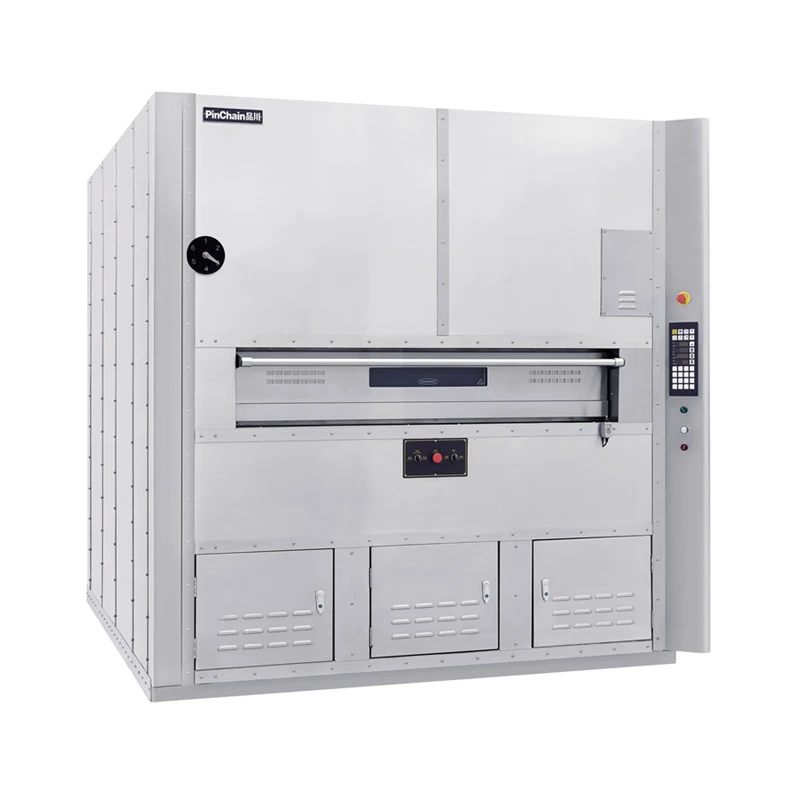
At the end of the day, a cutting machine is an investment. Whether you’re a small business owner trying to make a profit or a hobbyist working on a side project, you want it to work as long as possible. That’s why I always tell customers: do your research, be honest about your usage, and don’t cut corners on maintenance. If you’re looking for a machine that fits your needs, or want to talk about extending the lifespan of the one you already have, hit me up to connect and chat through the details. No pressure, just straight answers to whatever questions you have.
Cutting Machine References:
- Industrial Machine Maintenance Association. (2021). Lifespan and Maintenance Guidelines for Production Cutting Equipment.
- Woodworking Machinery Manufacturers of America. (2022). Table Saw Lifespan Report: Real-World Usage and Durability Data.
- International Fabric Machinery Association. (2020). CNC Cutting Machine Longevity: Factors Impacting Service Life.
Guangdong Pinchain Machinery Co., Ltd.
As one of the most professional cutting machine manufacturers and suppliers in China, we have world-leading production equipment and strong manufacturing capabilities. Please feel free to wholesale advanced cutting machine made in China here from our factory.
Address: Room 302, Building 9, CIMC High tech Intelligent Manufacturing Center, No.3 Chanxing 1st Road, Xianyong Village, Chencun Town, Shunde District, Foshan City, Guangdong Province
E-mail: kowa@bakingmachinery.com
WebSite: https://www.bakingsmachinery.com/
